Paintings in Gombrich’s The Story of Art

An illustrated companion to the book, from painted caves to postwar studios. Atlas brings its painters, related books and historical events together.

Read the introductionClose the introduction

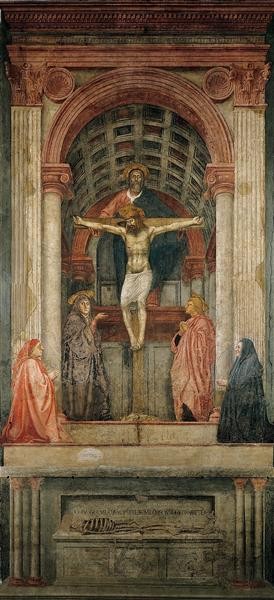
How deep is the chapel in Masaccio’s Holy Trinity? Look up from the two kneeling figures to the squares in the vaulted ceiling. Each row is smaller than the one before it. There seems to be room to walk in under the arch, although the whole chapel is painted on a church wall.

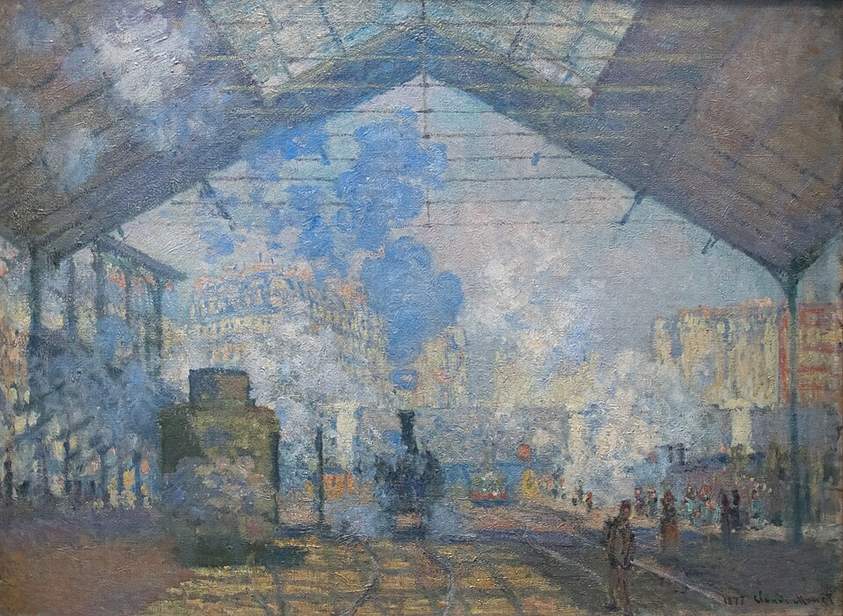
Gombrich chose works for The Story of Art that his readers could see for themselves on the page. Here you can put Masaccio’s chapel beside Claude Monet’s The Gare Saint-Lazare. The iron roof is easy enough to trace. Lower down, where steam gathers around a locomotive, it’s hard to say quite where the engine ends.

Wind runs through Vincent van Gogh’s A Wheatfield, with Cypresses, the painting at the top of this page. In the clouds, a long blue stroke curls back on itself. Down in the wheat, the marks are short and slanting, like stalks bending together.
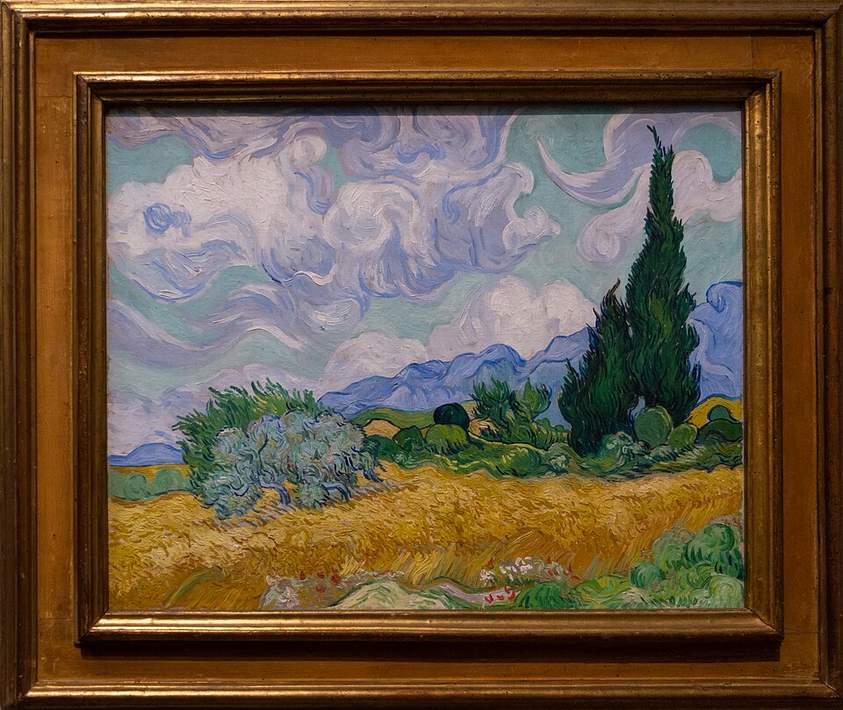
A Wheatfield, with Cypresses — Vincent van Gogh
A Wheatfield, with Cypresses · Vincent van Gogh · 1889

15,000 BCE–3,001 BCE

Prehistoric painting

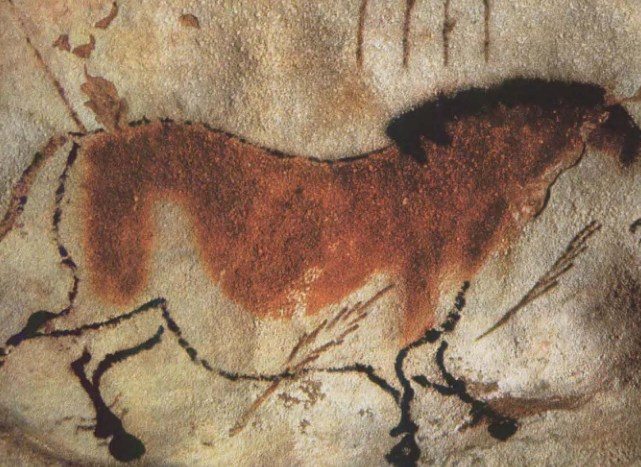
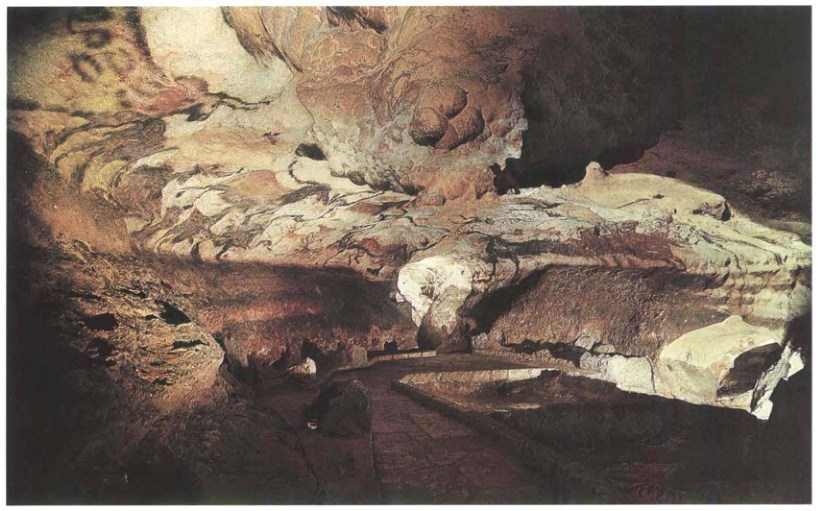
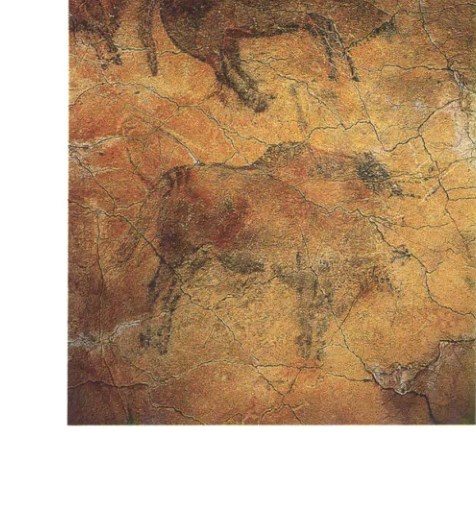
Gombrich opens with animals painted on cave walls. On the horse at Lascaux, the dark mane makes a ragged edge against the rock. You can follow the curve of its belly even where the brown paint gives out.

Explore the Atlas

3,000 BCE–499 CE

Painting in the ancient world

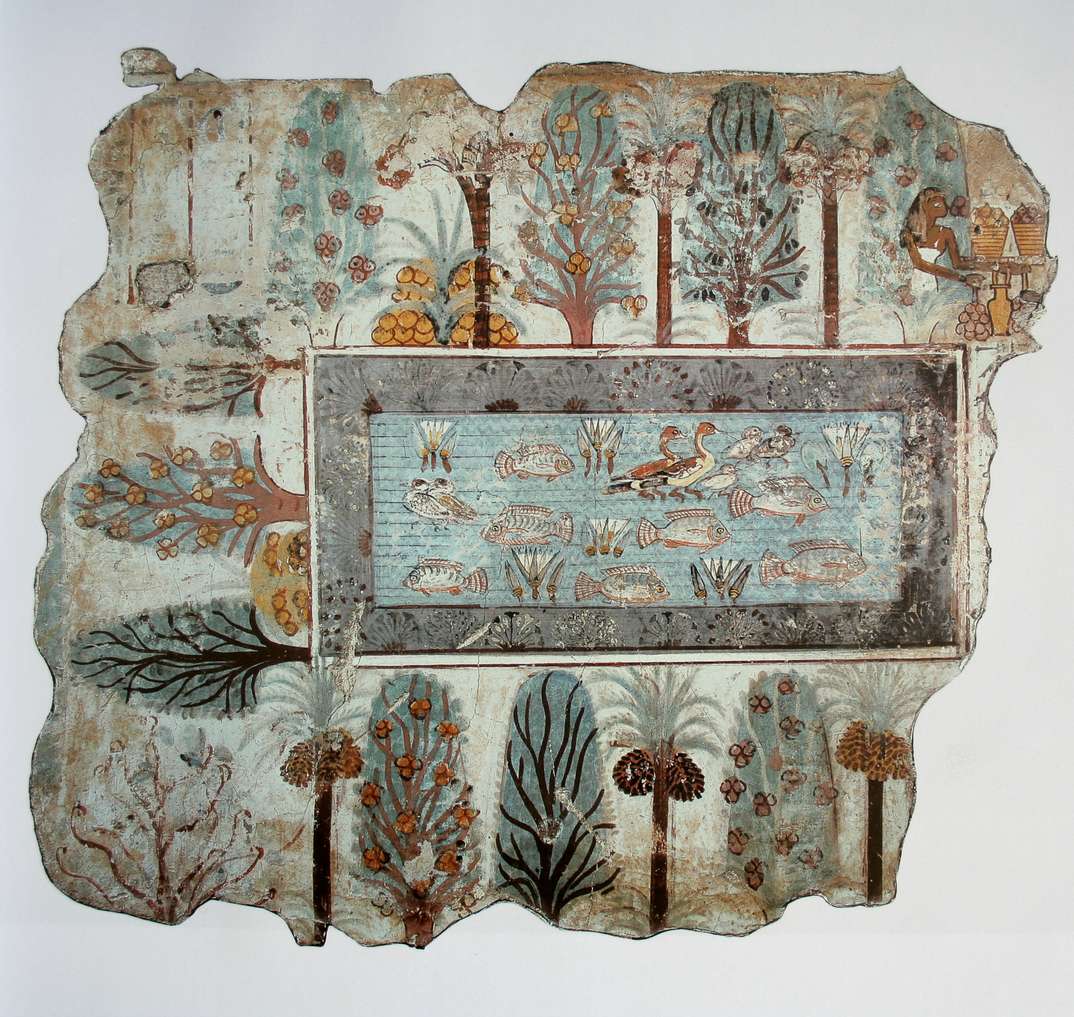
The pool in the garden of Nebamun is rectangular enough to copy onto a plan. The trees make for a surprising drawing, though. Along each bank they grow out towards the edge of the painting, so you see the whole crown of every palm.

Explore the Atlas

500–1399

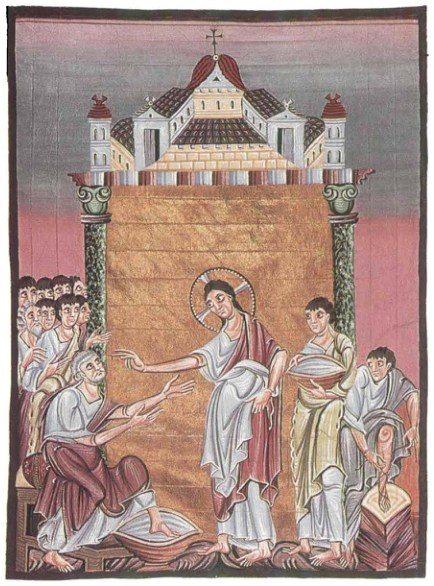
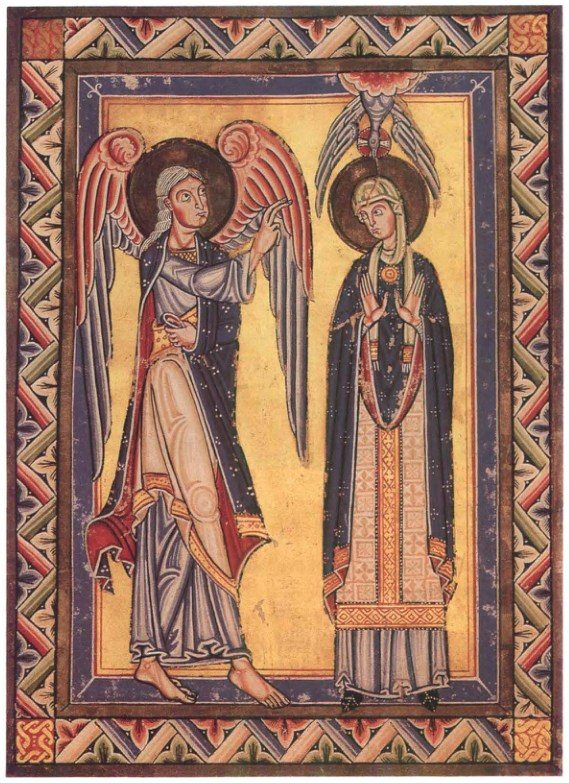
Ink, icons and illumination

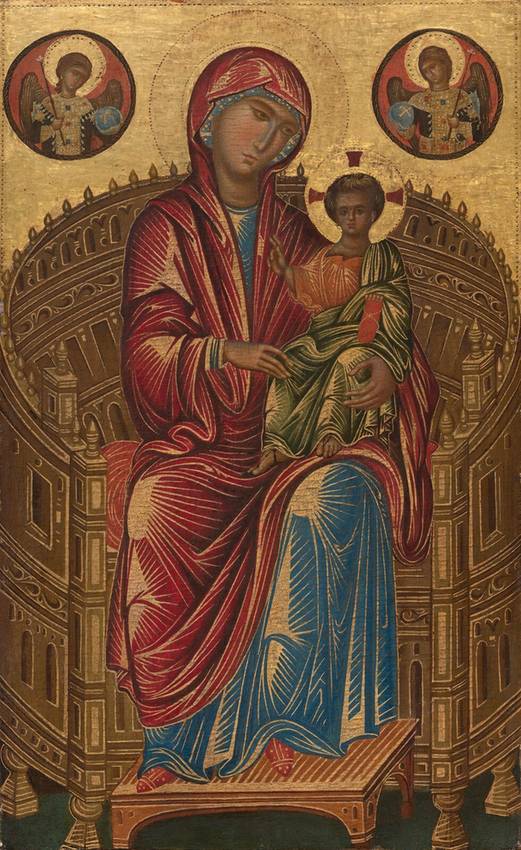
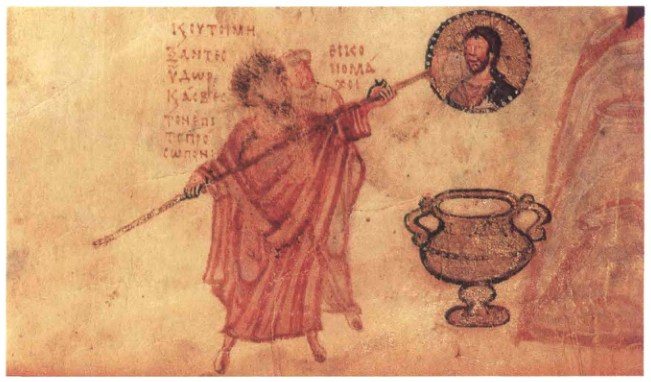
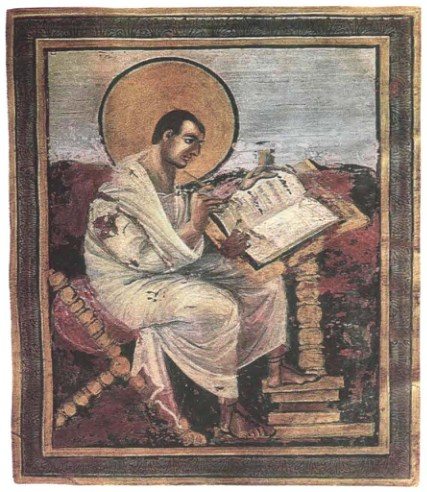
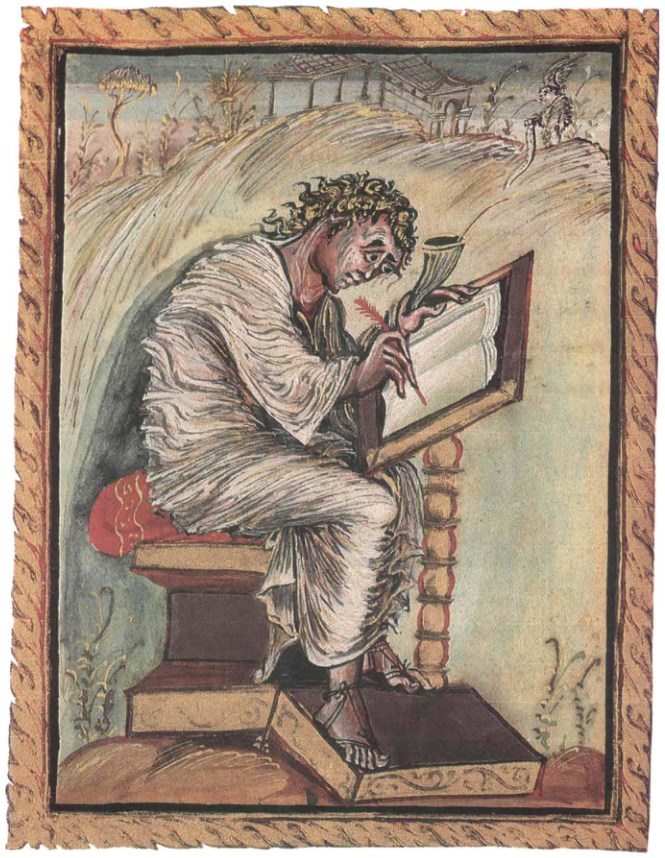
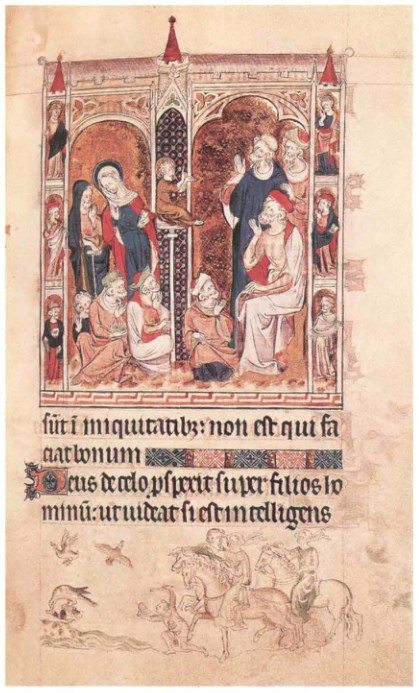
Saint Matthew appears twice at his writing desk in Gombrich’s selection. In the Coronation Gospels his robe falls in broad folds. In the Ebbo Gospels even the hem at his ankle seems to quiver as he bends over the page.

Explore the Atlas

1400–1449

The early fifteenth century

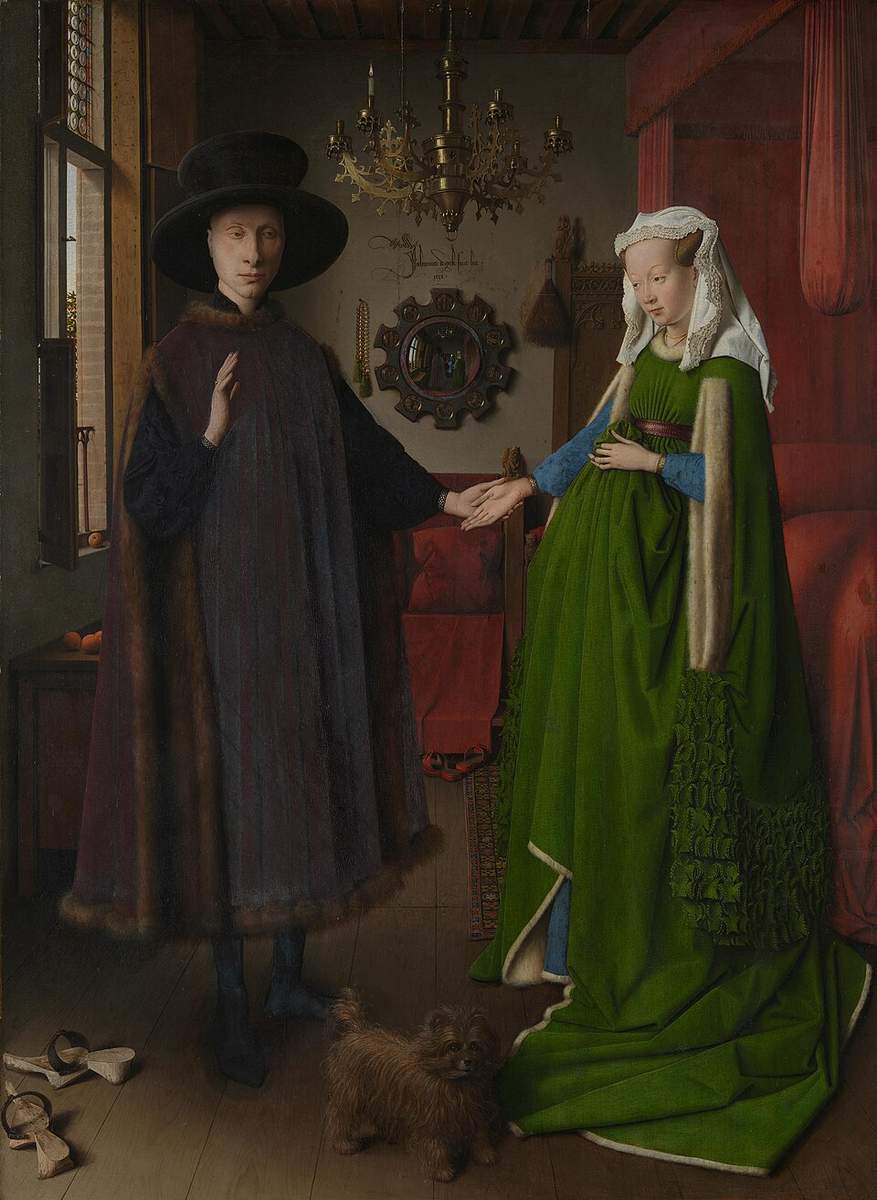
Jan van Eyck gives the couple in the Arnolfini Portrait a little round mirror. Look into it and you can see their backs, the open doorway and two other people in the room. All of that fits in a circle smaller than either sitter’s hand.
Explore the Atlas

1450–1499

The later fifteenth century

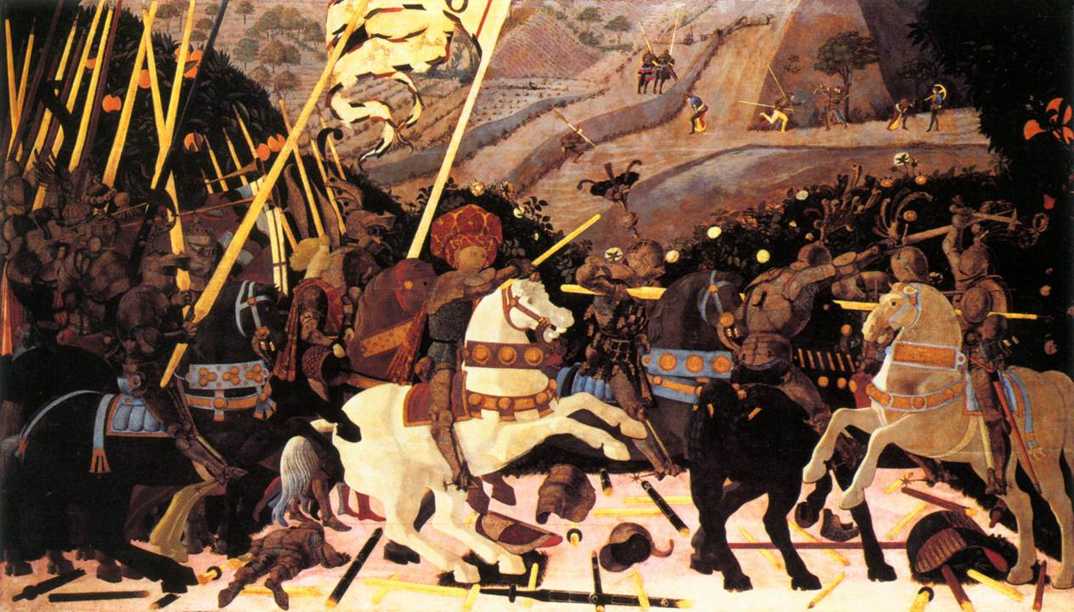
In Paolo Uccello’s Battle of San Romano, the horses rear and the riders brandish lances. Down on the ground the broken shafts lie at oddly tidy angles. They mark out the space beneath the horses even where it’s too crowded to see much earth.

Explore the Atlas

1500–1529

The early sixteenth century

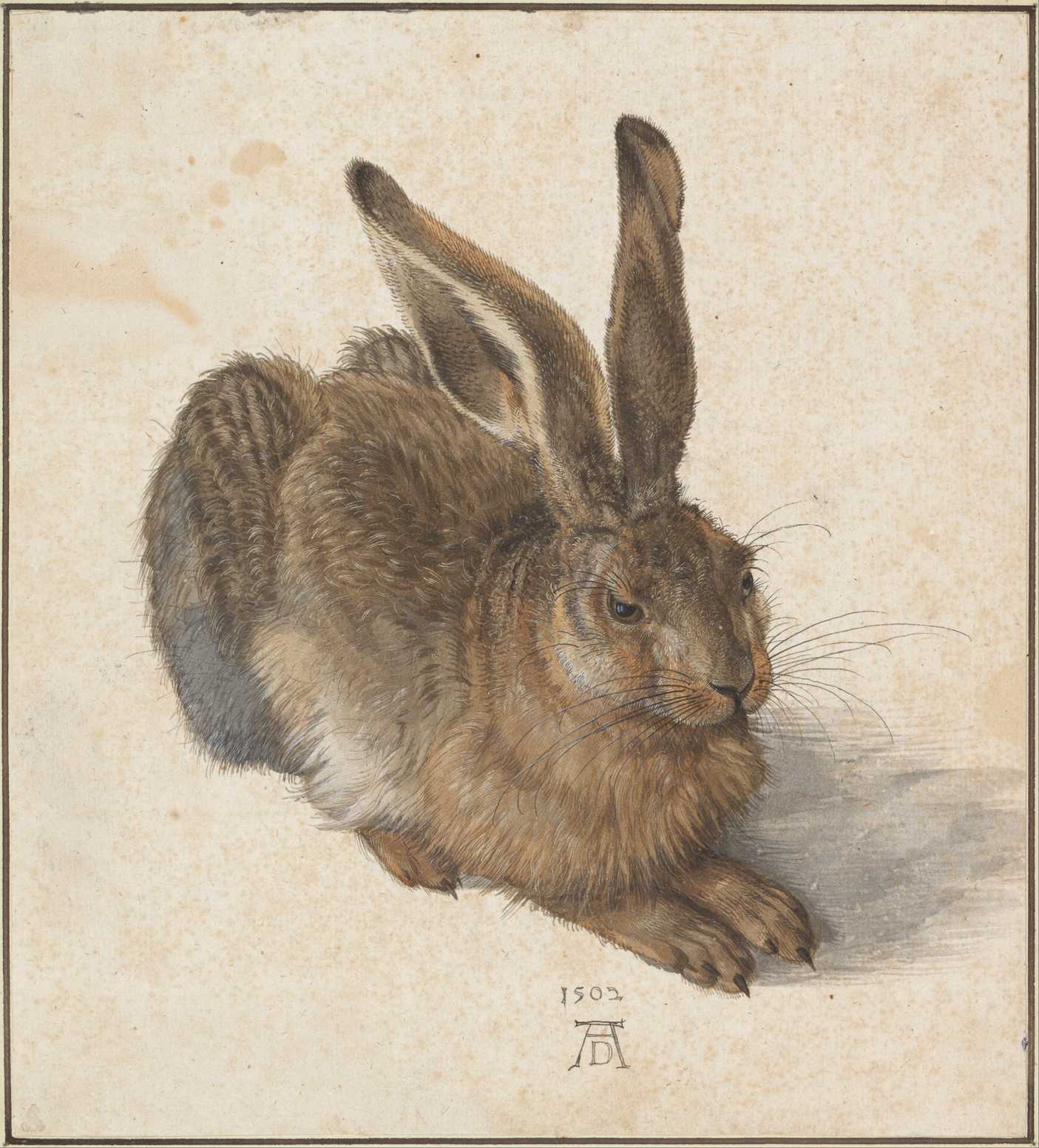
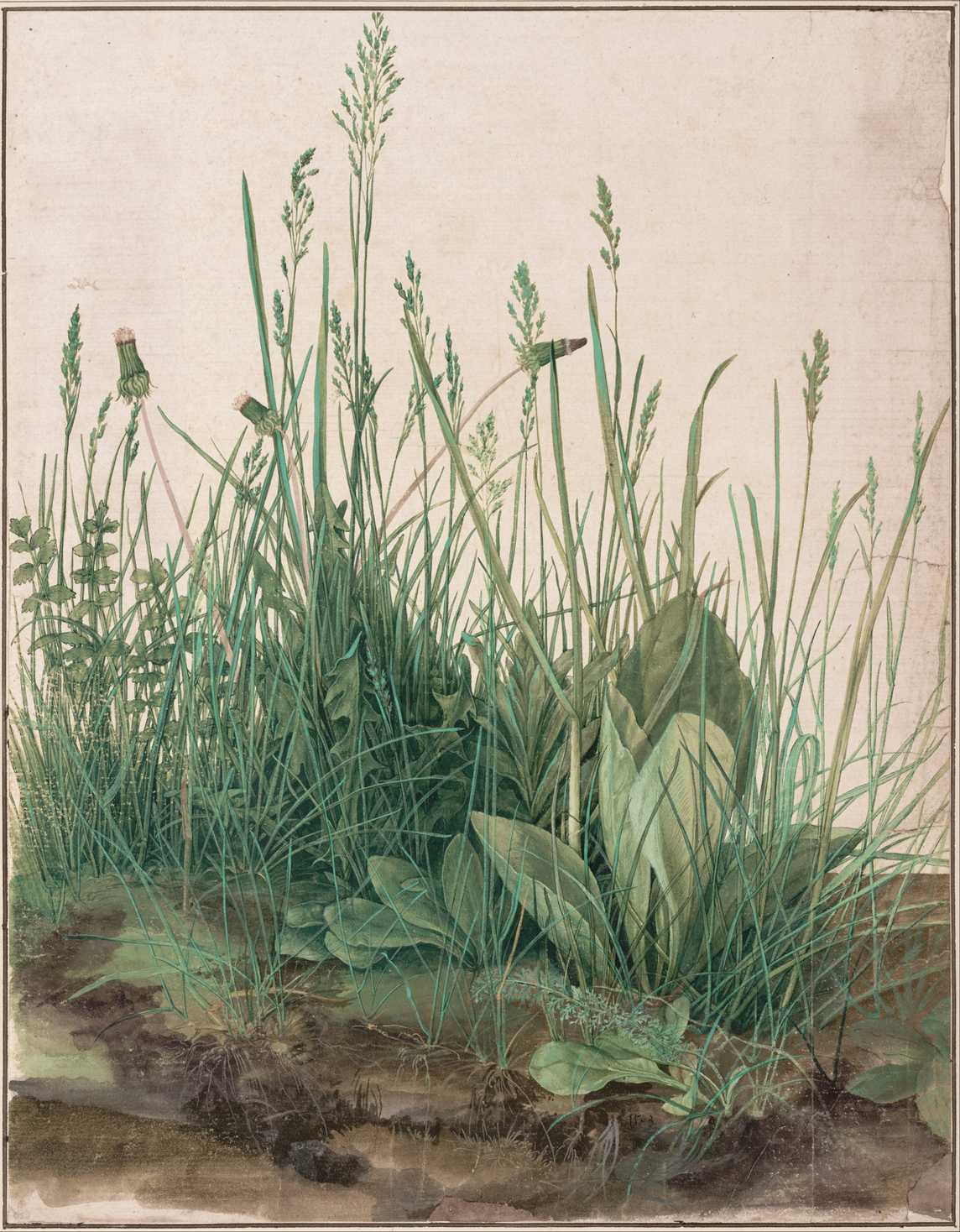
Gombrich finds room for a patch of turf by Albrecht Dürer among the great altarpieces and chapel ceilings of these years. At first the grass looks as thick as a thicket. Then a broad leaf unfurls near the ground, and the fine blades crossing it become easy to tell apart.

Explore the Atlas

1530–1599

The later sixteenth century

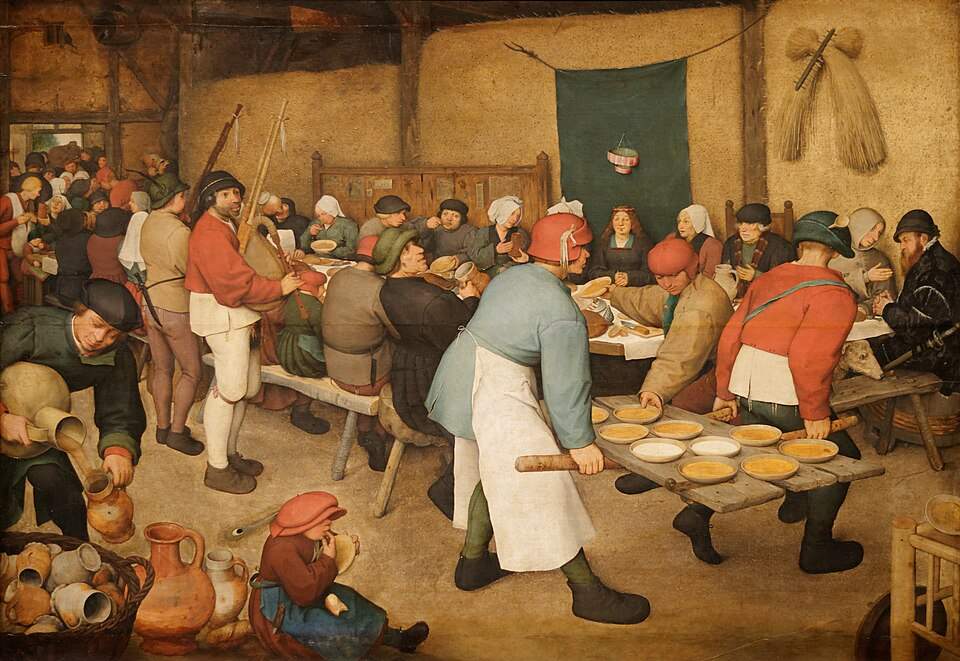
At Bruegel’s Peasant Wedding the food arrives on a board carried between two men. A guest twists round on his bench to pass the plates along. Behind him, against a green hanging, sits the bride with her hands folded.

Explore the Atlas

1600–1649

The early seventeenth century

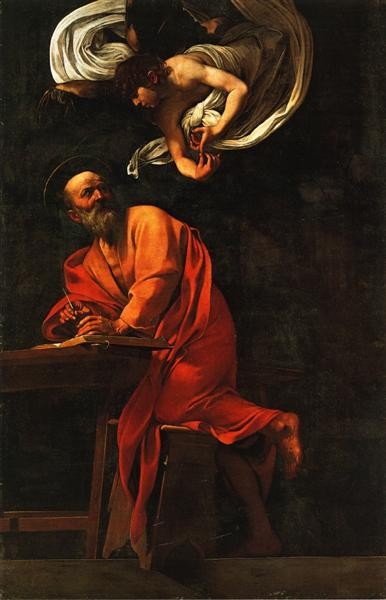
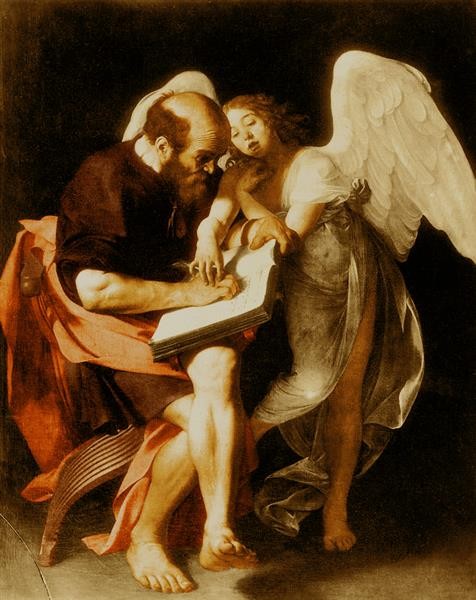
Gombrich reproduces Caravaggio’s two paintings of Saint Matthew writing his Gospel. In the first, now destroyed, the angel leans down to guide Matthew’s hand across the page. In the surviving painting Matthew turns to look up, and the angel counts on his fingers.

Explore the Atlas

1650–1699

The later seventeenth century

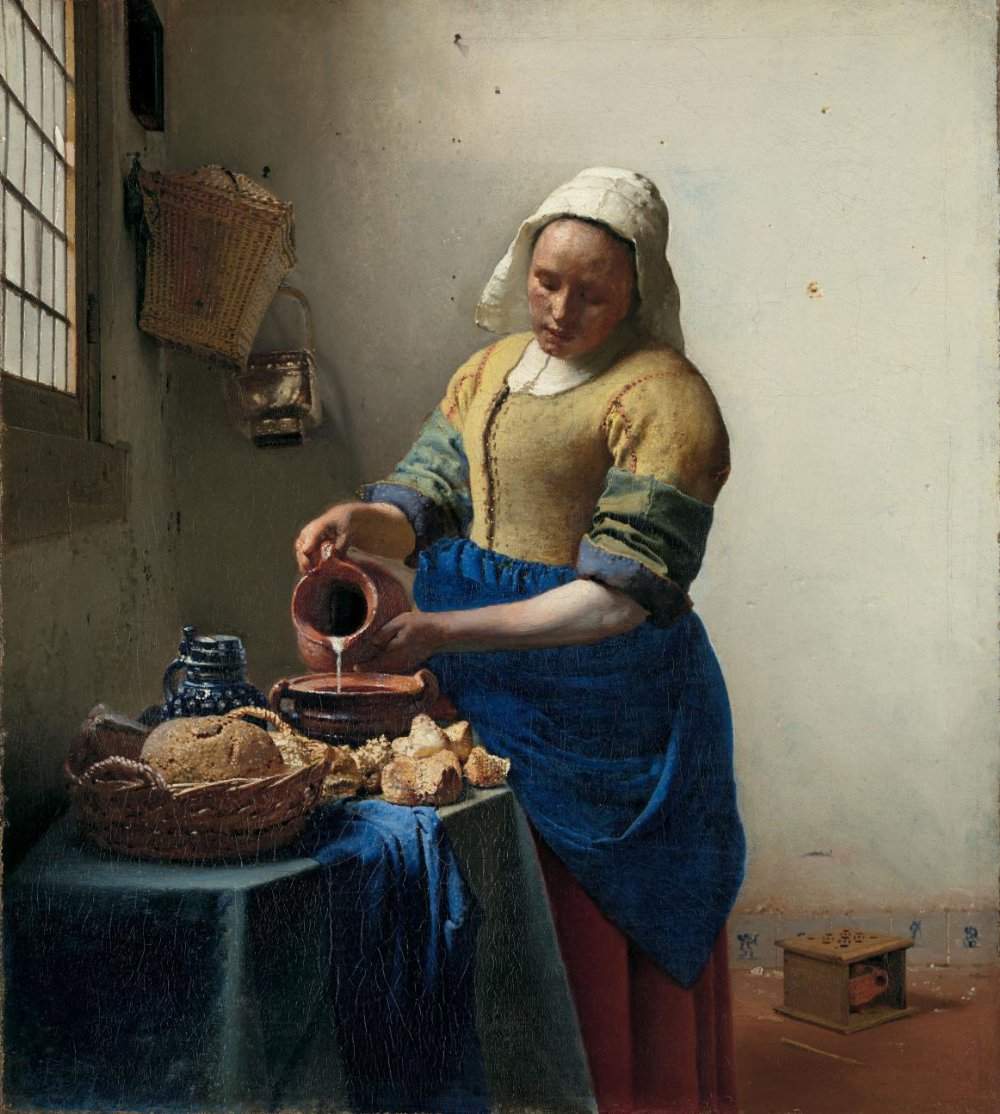
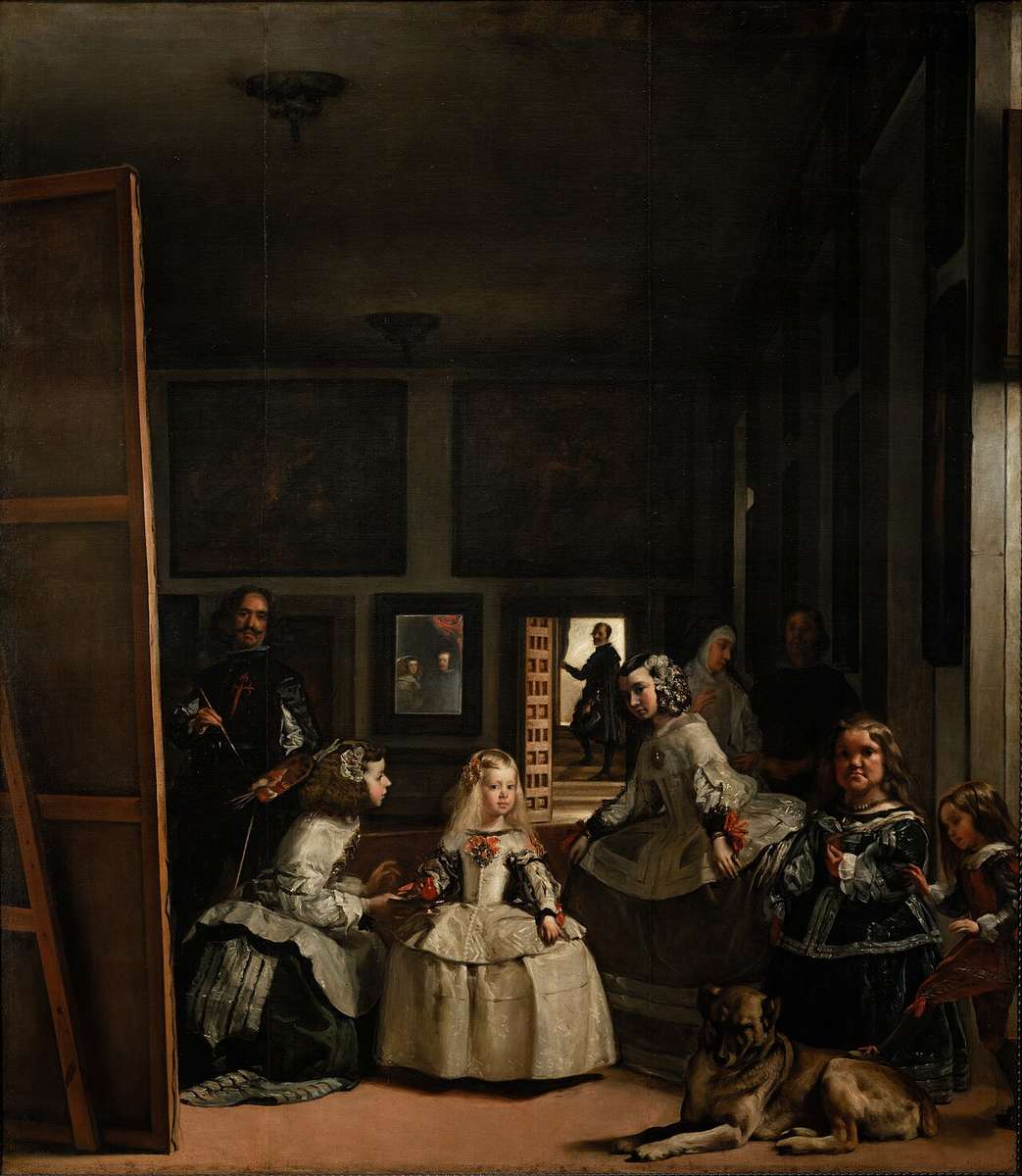
A window on the left lights Vermeer’s Milkmaid. There are little beads of light on the bread and a thin stream of milk coming from the jug. Velázquez gives the brightest doorway in Las Meninas to a man so far back in the room that you can barely make out his face.

Explore the Atlas

1700–1799

The eighteenth century

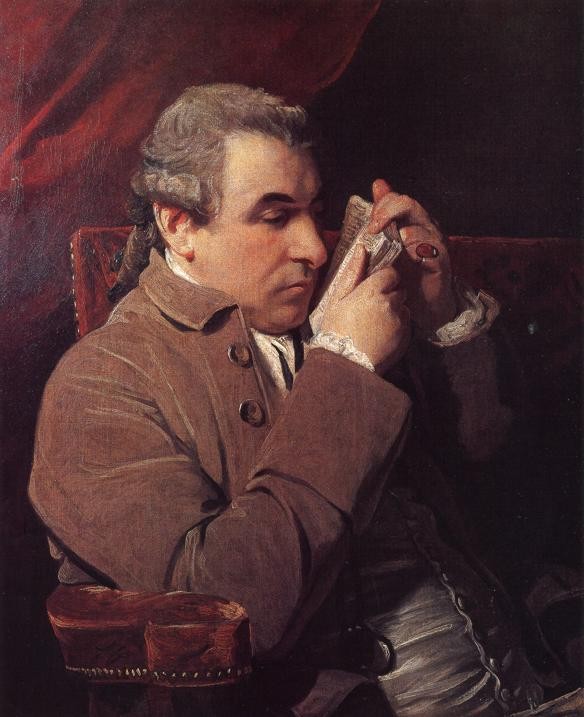
Joshua Reynolds’s portrait of Giuseppe Baretti makes an unlikely introduction to the man. Baretti holds a little book so close to his eye that we get a better look at his knuckles than at his face. You could stand in front of him for quite a while before he noticed you.

Explore the Atlas

1800–1849

Romanticism and its contemporaries

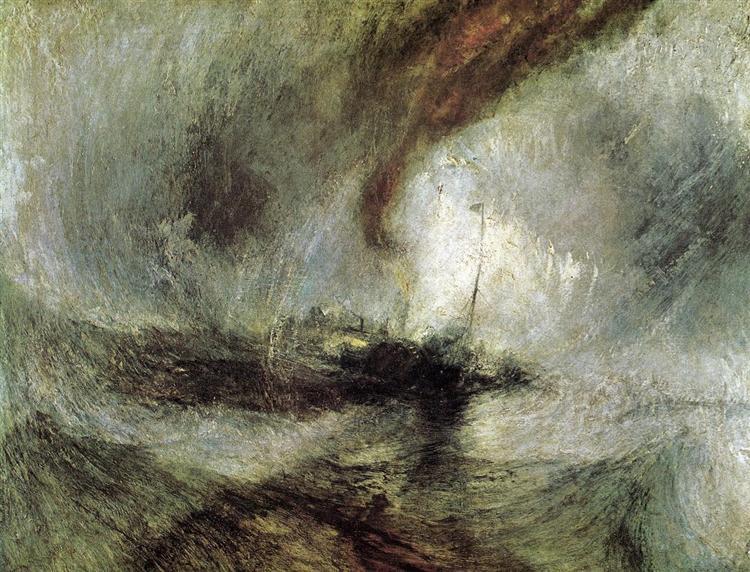
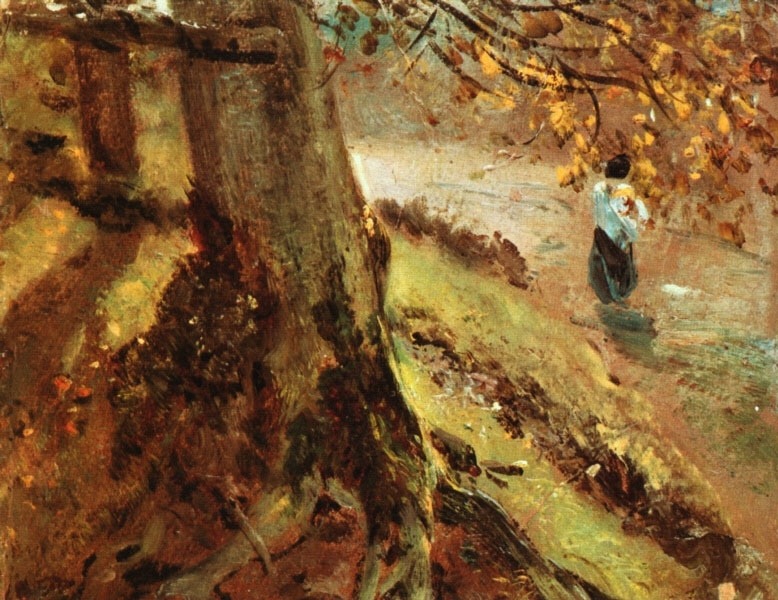
John Constable’s Study of Tree Trunks starts at ground level, where the roots bulge out of the bank. In Turner’s Snow Storm you can spend a while just finding the steamboat. Its dark hull gives you a bearing in the swirl of water and dirty light.

Explore the Atlas

1850–1869

Realism and modern life

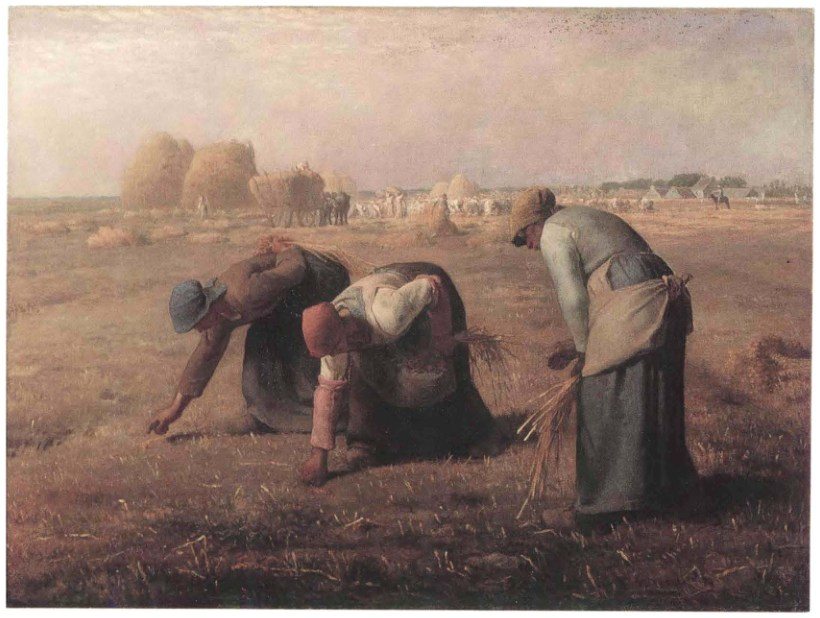
In Millet’s The Gleaners, three women stoop to pick up the ears of grain left after harvest. Behind them the stacks rise higher than a loaded cart. Here in the foreground there’s scarcely enough to fill a hand.

Explore the Atlas

1870–1884

The 1870s and early 1880s

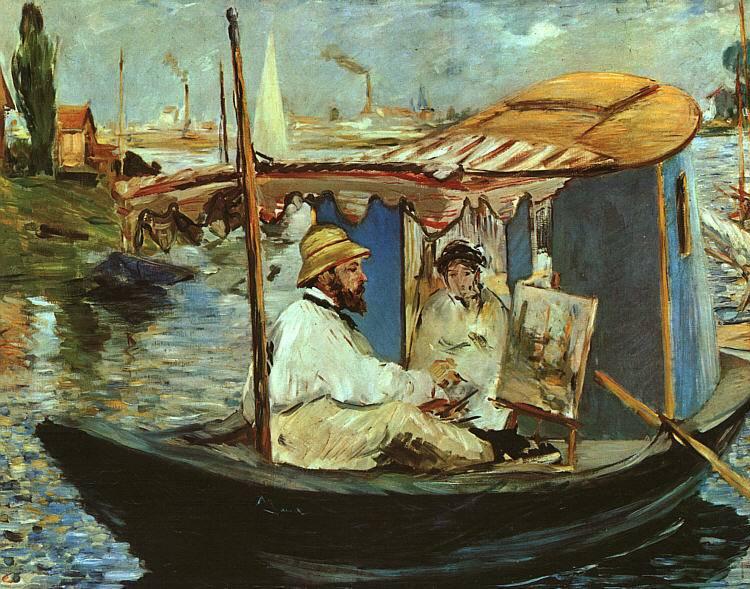
For a glimpse of Monet’s working day, Gombrich turns to Manet. Monet sits with his palette on his lap and a canvas propped near the side of a boat. There’s room under the awning for an easel and a companion, with an oar handy just beyond the canvas.

Explore the Atlas

1885–1899

The late nineteenth century

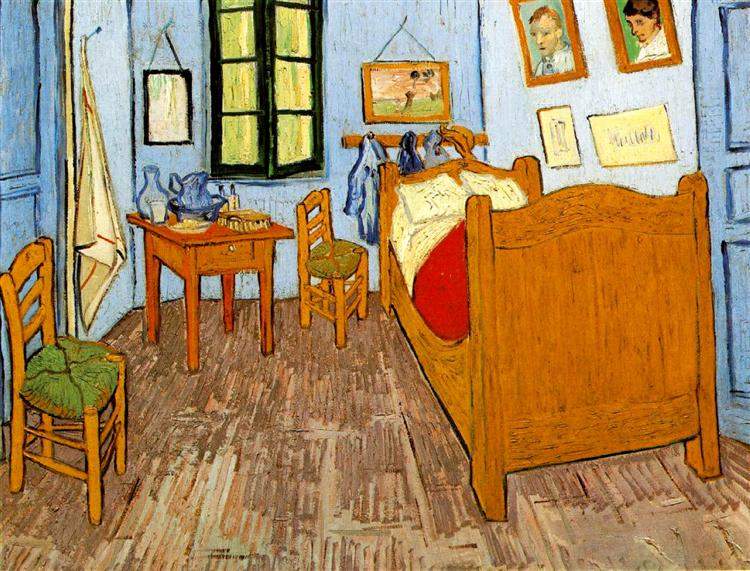
Van Gogh’s bed at Arles seems almost too big for the floor. Its wooden side widens towards us until the footboard looms over the little chair across the room.
Explore the Atlas

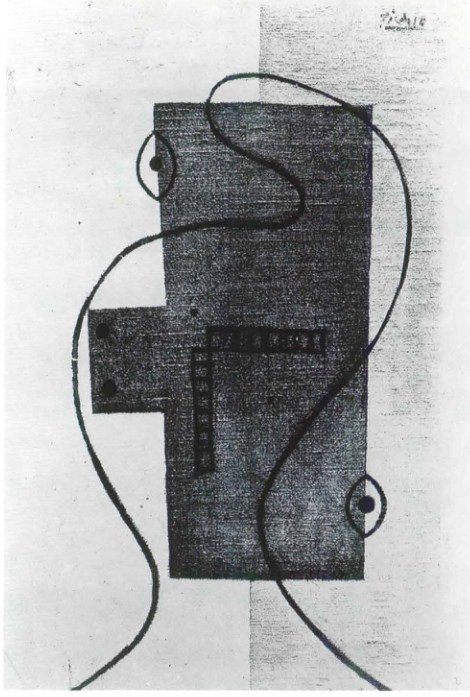
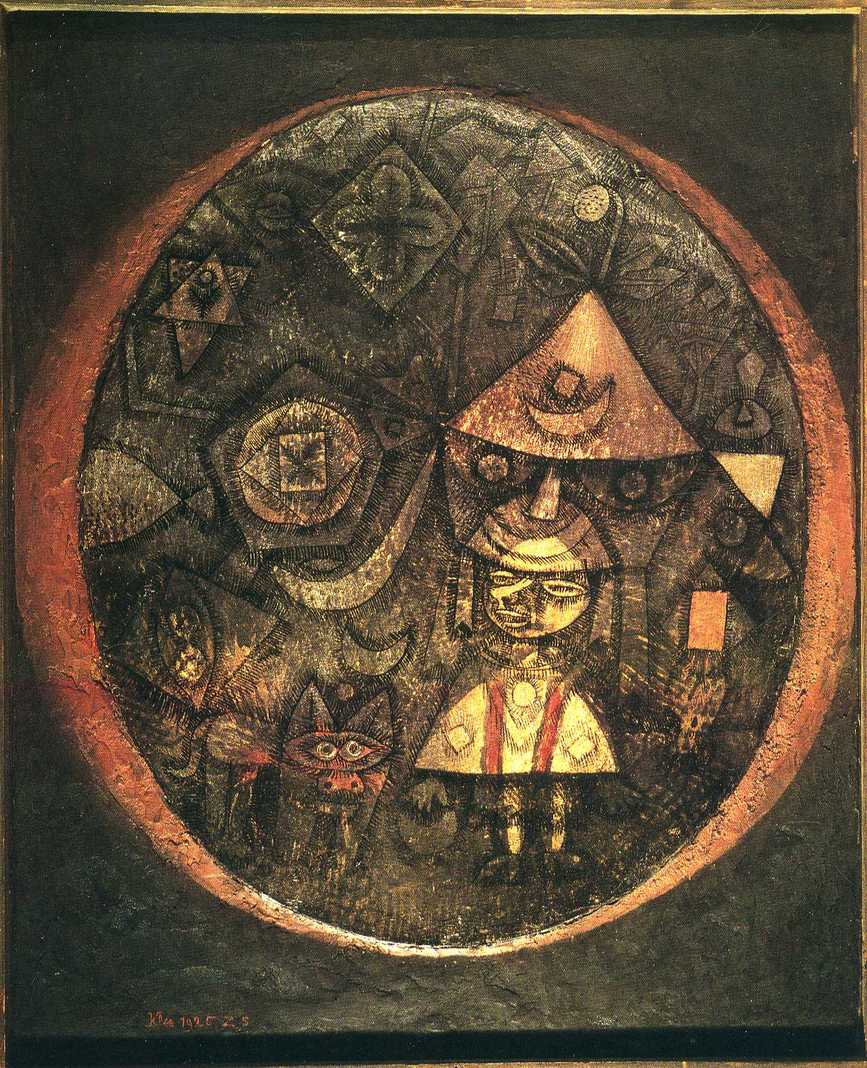
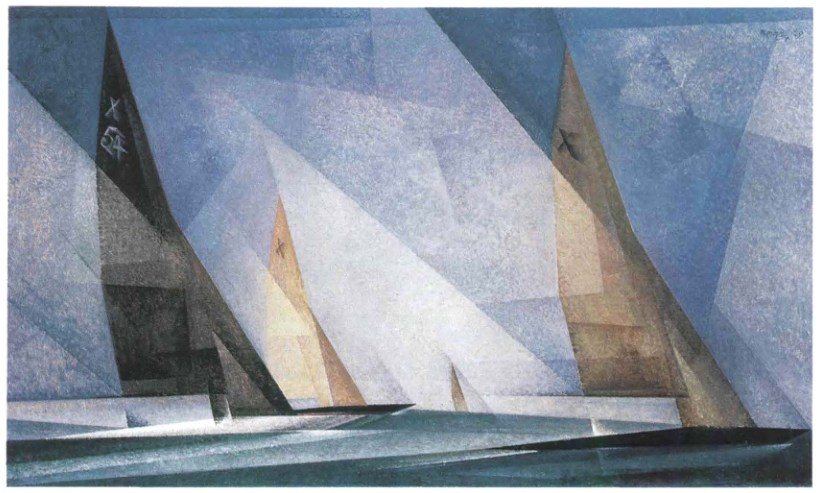
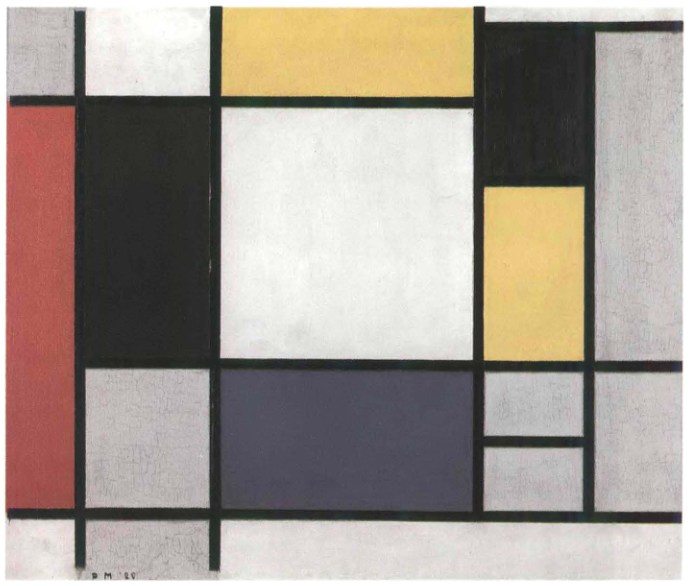
1900–1939

The early twentieth century

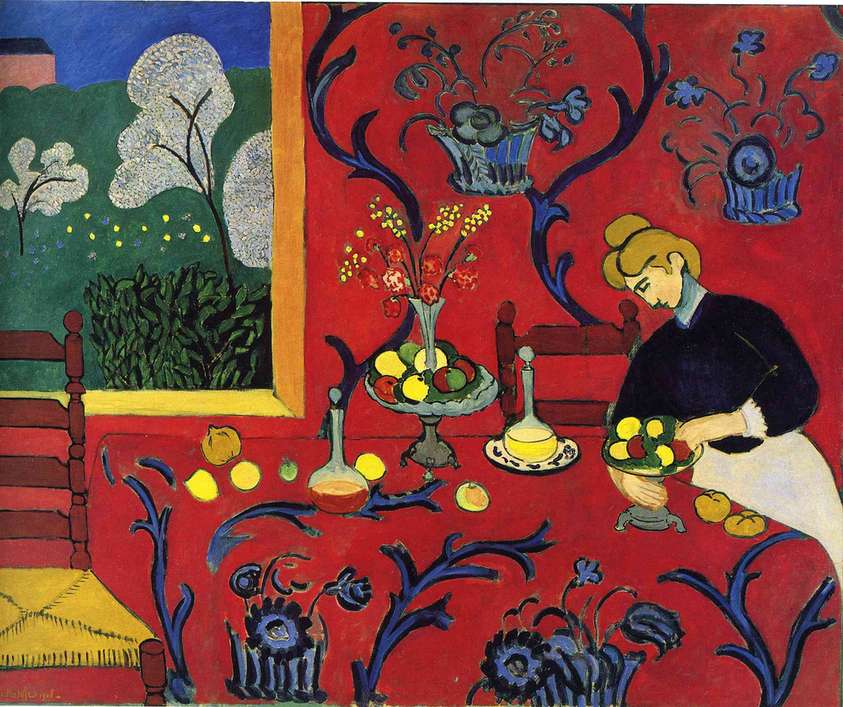
Where does the table end in Matisse’s Red Room? A blue stem curls across the red tablecloth and another climbs the wall. The woman’s hand beside the fruit dish helps you see which part of that red is flat enough to set a plate on.

Explore the Atlas

1940–1980

Painting after 1940

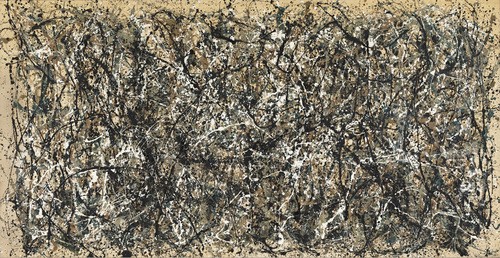
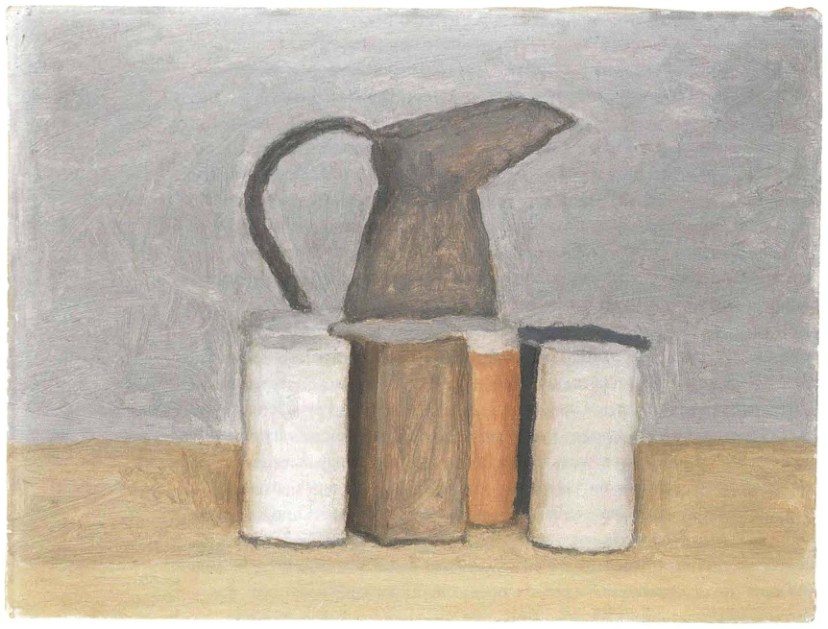
Try following one black strand across Pollock’s One: Number 31, 1950. It soon doubles back or slips under another stroke. Morandi leaves just a sliver of grey between the end of a jug handle and the white pot below it, enough space to see exactly where his line stops.

Explore the Atlas