 Art, literature & history
Sandro Botticelli
c. 1445–1510
Selected artwork
The Birth of Venus
c. 1485
Uffizi Galleries
Life & artwork timeline
c. 1445–1510
7 artwork previews
Select a dot to preview a work. Dots show selected works and the current gallery page. Ranges begin at their recorded starting year.
The Birth of Venus
c. 1485
Other names (21)
A. Boticello, A. Botticelli, Alessandro Boticelli, Alessandro Botticelli, Alessandro Di Filipepi, Alessandro di Mariano di Vanni de Filipepi, Alessandro di Mariano Filipepi, Alessandro Filipepi, alessandro filipepi botticelli, Alexander Botticelli, Allessandro Filipepi Botticelli, boticelli, Botticelli, Leandro Botticelli, San. Botticelli, Sand. Boticelli, Sandro Boticelli, Sandro Botticello, Sandro Bottichelli, Sandro Filipepi Botticelli, s. botticelli
Biography
Sandro Botticelli was a Florentine painter known for religious pictures, portraits and mythological compositions. Born Alessandro di Mariano Filipepi, he trained in the workshop of Fra Filippo Lippi and established his own workshop by 1470. His career developed among Florence's patrons, including the Medici circle. In 1481 he travelled to Rome to contribute frescoes to the Sistine Chapel, an important exception to a working life centred on Florence. His art combines expressive figures with carefully shaped contours and decorative detail. This selection concentrates on devotional paintings in museum collections, offering several views of the Virgin and Child alongside scenes of Christian narrative.
Reference biography
Alessandro di Mariano di Vanni Filipepi (c. 1445 – May 17, 1510), better known as Sandro Botticelli ( BOT-ih-CHEL-ee; Italian: [ˈsandro bottiˈtʃɛlli]) or simply Botticelli, was an Italian painter of the Early Renaissance. Botticelli's posthumous reputation suffered until the late 19th century, when he was rediscovered by the Pre-Raphaelites who stimulated a reappraisal of his work. Since then, his paintings have been seen to represent the linear grace of late Italian Gothic and some Early Renaissance painting, even though they date from the latter half of the Italian Renaissance period.
In addition to the mythological subjects for which he is best known today, Botticelli painted a wide range of religious subjects (including dozens of renditions of the Madonna and Child, many in the round tondo shape) and also some portraits. His best-known works are The Birth of Venus and Primavera, both in the Uffizi in Florence, which holds many of Botticelli's works. Botticelli lived all his life in the same neighbourhood of Florence; his only significant times elsewhere were the months he spent painting in Pisa in 1474 and the Sistine Chapel in Rome in 1481–82. Botticelli received patronage from members of the Medici family, including Lorenzo de' Medici and his circle.
Only one of Botticelli's paintings, the Mystic Nativity (National Gallery, London) is inscribed with a date (1501), but others can be dated with varying degrees of certainty on the basis of archival records, so the development of his style can be traced with some confidence. He was an independent master for all the 1470s, which saw his reputation soar. The 1480s were his most successful decade, the one in which his large mythological paintings were completed along with many of his most famous Madonnas.
By the 1490s, his style became more personal and to some extent mannered. His last works show him moving in a direction opposite to that of Leonardo da Vinci (seven years his junior) and the new generation of painters creating the High Renaissance style, and instead returning to a style that many have described as more Gothic or "archaic".
Text sources
Artistic connections
Explore the people and evidence around Sandro Botticelli.
Teachers & influences
3 of 4You are exploring
Sandro Botticelli
c. 1445–1510Influence & legacy
3 of 6Artworks by year
Loading chronology…Museum / collectionAll collections
Finding recorded artworks…
Exhibition records
View exhibitions →Museums & collections
Documented holdings of works attributed to Sandro Botticelli. Check the museum’s record for current display information.
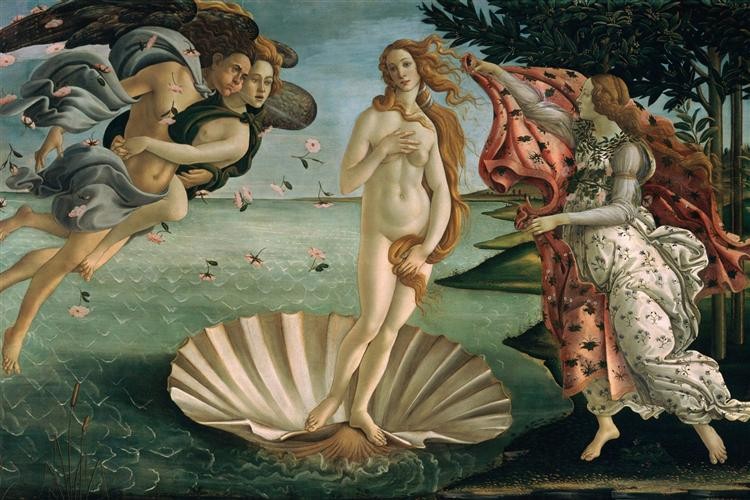 Uffizi Galleries15 recorded worksThe Birth of Venus
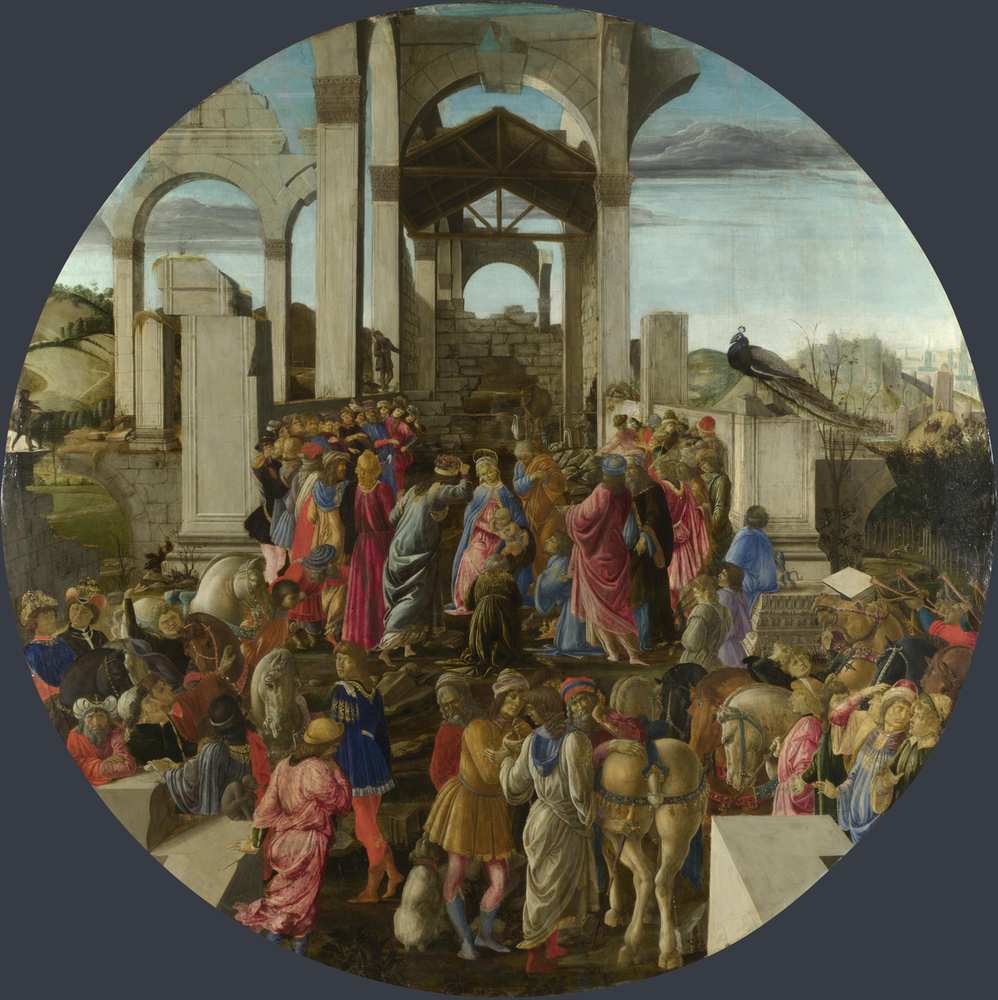 National Gallery8 recorded worksThe Adoration of the Kings
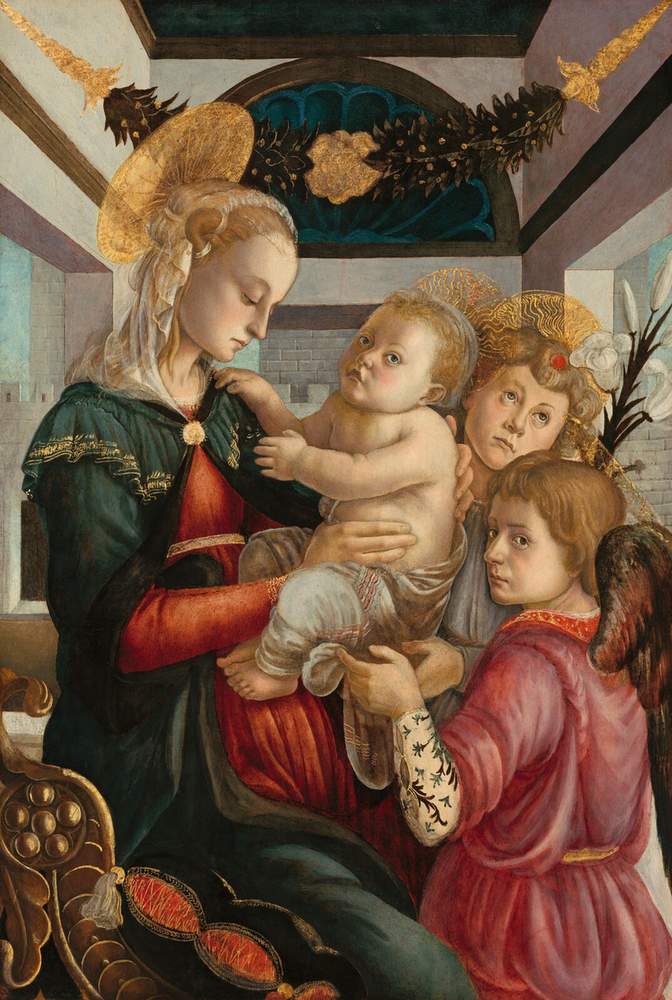 National Gallery of Art6 recorded worksMadonna and Child with Angels
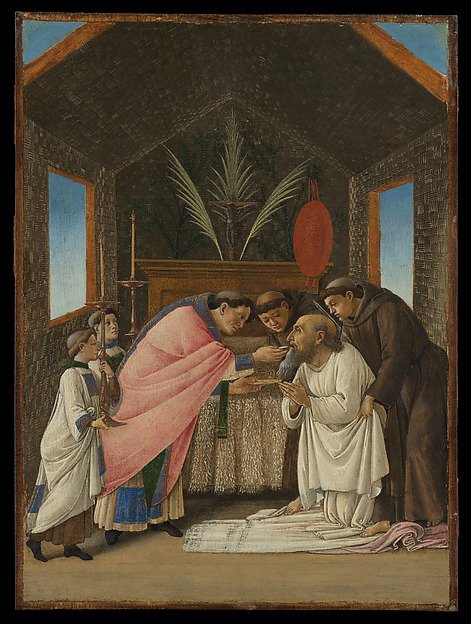 The Metropolitan Museum of Art5 recorded worksThe Last Communion of Saint Jerome
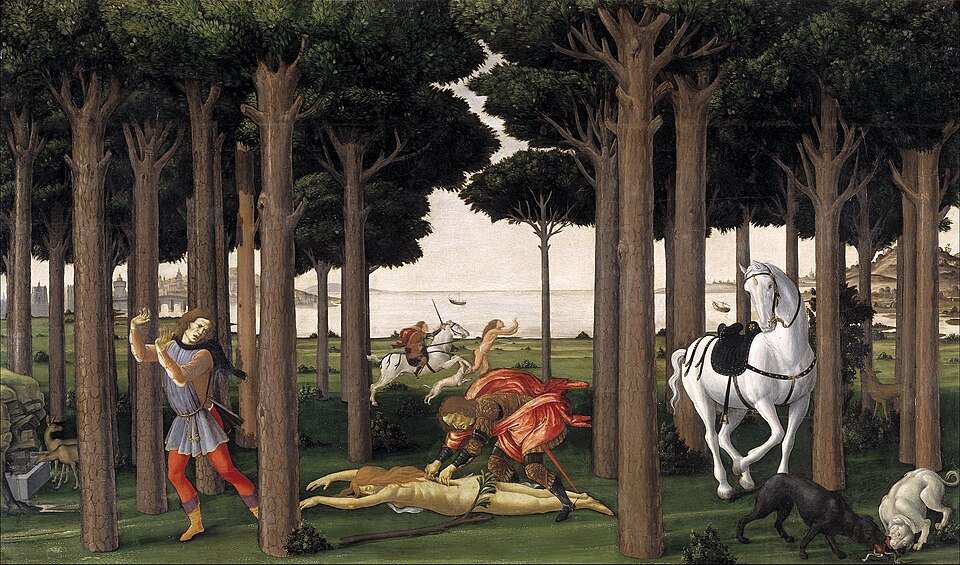 Museo Nacional del Prado4 recorded worksEscenas de La historia de Nastagio degli Onesti
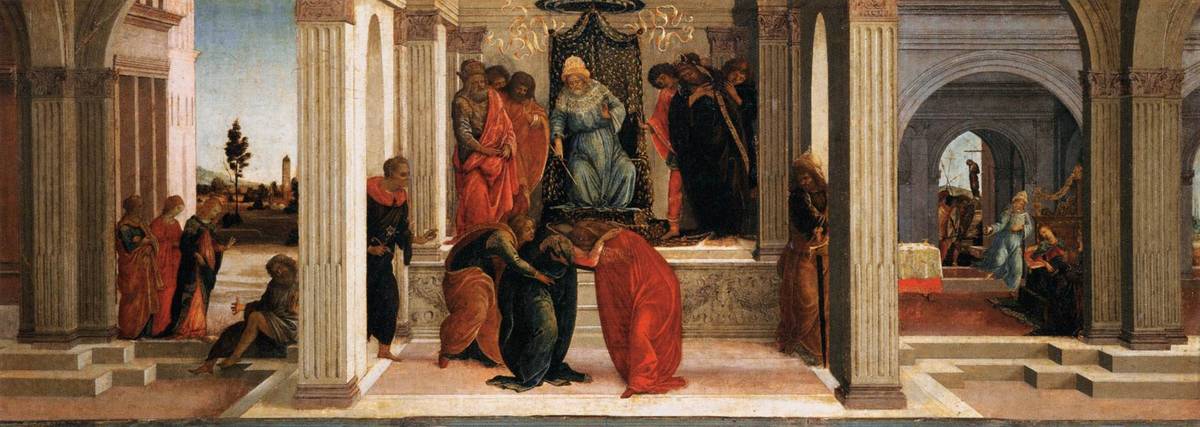 Musée du Louvre3 recorded worksThree Scenes from the Story of Esther
Sources 15
- Wikidata (CC0)
- Austrian museum collections: independent authority research
- National Gallery, London
- National Gallery of Art
- National Gallery, London
- Painter cultural affiliation distinguished from recorded birthplace
- National Gallery, London
- Pantheon 2025 — Datawheel (CC BY-SA 4.0)
- National Gallery, London
- Polish museum and gallery creator authorities
- US museum and gallery creator authorities
- Pantheon 2025 — Datawheel (CC BY-SA 4.0)
- Austrian museum collections: independent authority research
- National Gallery, London
- Pantheon 2025 — Datawheel (CC BY-SA 4.0)
In Gombrich’s The Story of Art
- The Birth of Venus · c. 1485