 Art, literature & history
Leonardo da Vinci
1452–1519
Selected artwork
Mona Lisa
1503-1519
Life & artwork timeline
1452–1519
9 artwork previews
Select a dot to preview a work. Dots show selected works and the current gallery page. Ranges begin at their recorded starting year.
Mona Lisa
1503-1519
Biography
Leonardo da Vinci worked across painting, drawing, engineering and the study of nature. Trained in Andrea del Verrocchio's Florentine workshop, he later worked in Milan, returned to Florence, and spent his final years in France. His notebooks connect artistic practice with investigations of anatomy, movement, geometry and mechanical design. Paintings such as The Virgin of the Rocks and The Last Supper explore how gesture and expression convey thought. His drawings make that process of observation and revision especially visible. The selected works here pair a painted portrait with studies of heads, an animal and religious compositions, showing several aspects of his working methods.
Reference biography
Leonardo di ser Piero da Vinci (15 April 1452 – 2 May 1519) was an Italian polymath of the High Renaissance who was active as a painter, draughtsman, engineer, scientist, theorist, sculptor, and architect. While his fame initially rested on his achievements as a painter, he has also become known for his notebooks, in which he made drawings and notes on a variety of subjects, including anatomy, astronomy, botany, cartography, painting, and palaeontology. Leonardo is widely regarded as a genius who epitomised the Renaissance humanist ideal, and his collective works contributed to the development of European art to an extent rivalled only by that of his younger contemporary Michelangelo.
Born out of wedlock to a successful notary and a lower-class woman in (or near) Vinci in Tuscany, he was educated in Florence by the Italian painter and sculptor Andrea del Verrocchio. He began his career in the city, but then spent much time in the service of Ludovico Sforza in Milan. Later, he worked in Florence and Milan again, as well as briefly in Rome, all while attracting a large following of imitators and students.
Upon the invitation of Francis I, he spent his last three years in France, where he died in 1519. Since his death, there has not been a time when his achievements, diverse interests, personal life, and empirical thinking have failed to incite interest and admiration, making him a frequent namesake and subject in culture.
Leonardo is identified as one of the greatest painters in the history of Western art and is often credited as the founder of the High Renaissance. Despite having many lost works and fewer than 25 attributed major works – including numerous unfinished works – he created some of the most influential paintings in the Western canon. The Mona Lisa is regarded as the world's most famous painting.
The Last Supper is the most reproduced religious painting of all time and his Vitruvian Man drawing is also regarded as a cultural icon. In 2017, Salvator Mundi, attributed in whole or part to Leonardo, was sold at auction for US$450.3 million, setting a new record for the most expensive painting ever sold at public auction.
Revered for his technological ingenuity, he conceptualised flying machines, a type of armoured fighting vehicle, concentrated solar power, a ratio machine that could be used in an adding machine, and the double hull. Relatively few of his designs were constructed or were even feasible during his lifetime, as the modern scientific approaches to metallurgy and engineering were only in their infancy during the Renaissance. Some of his smaller inventions, however, entered the world of manufacturing unheralded, such as an automated bobbin winder and a machine for testing the tensile strength of wire.
He made substantial discoveries in anatomy, civil engineering, hydrodynamics, geology, optics, and tribology, but he did not publish his findings and they had little to no direct influence on subsequent science.
Text sources
Artistic connections
Explore the people and evidence around Leonardo da Vinci.
Teachers & influences
3 of 6You are exploring
Leonardo da Vinci
1452–1519Influence & legacy
3 of 14Artworks by year
Loading chronology…Museum / collectionAll collections
Finding recorded artworks…
Exhibition records
View exhibitions →Museums & collections
Documented holdings of works attributed to Leonardo da Vinci. Check the museum’s record for current display information.
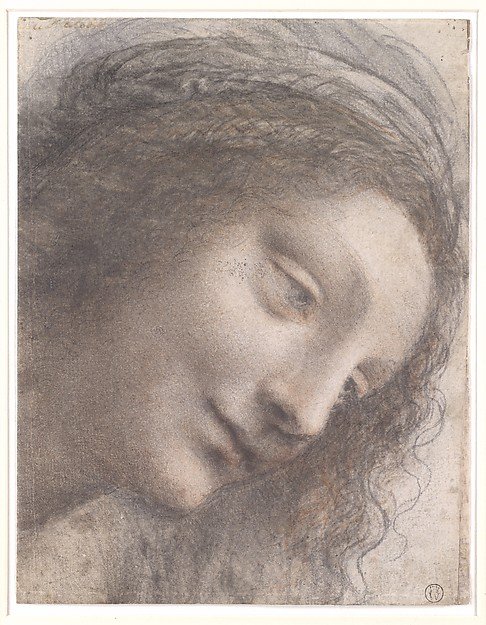 The Metropolitan Museum of Art11 recorded worksThe Head of the Virgin in Three-Quarter View Facing Right
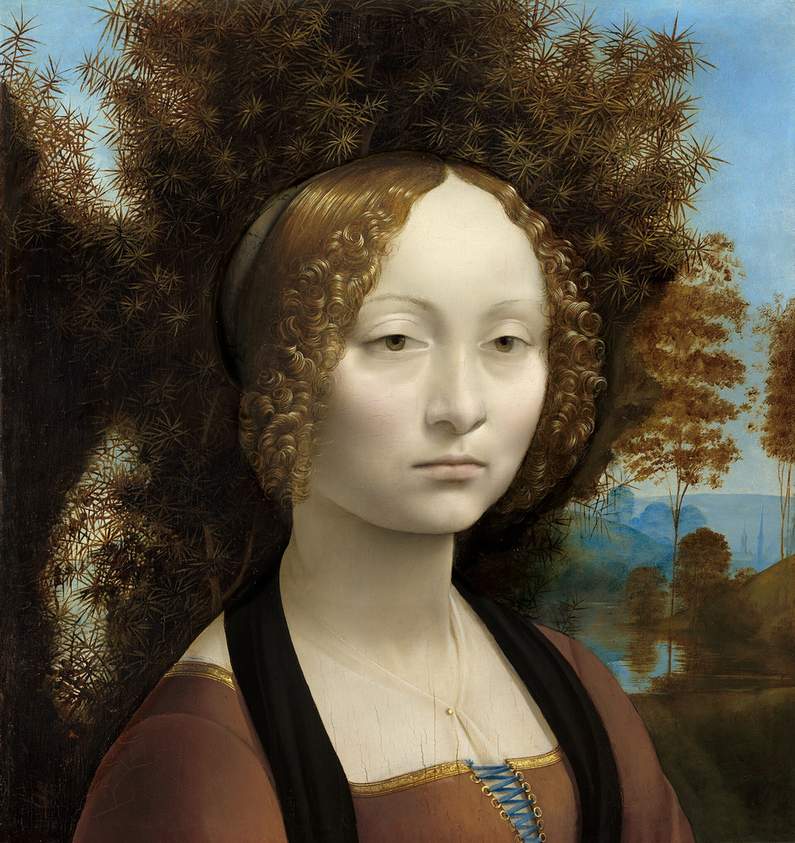 National Gallery of Art3 recorded worksGinevra de’ Benci (obverse)
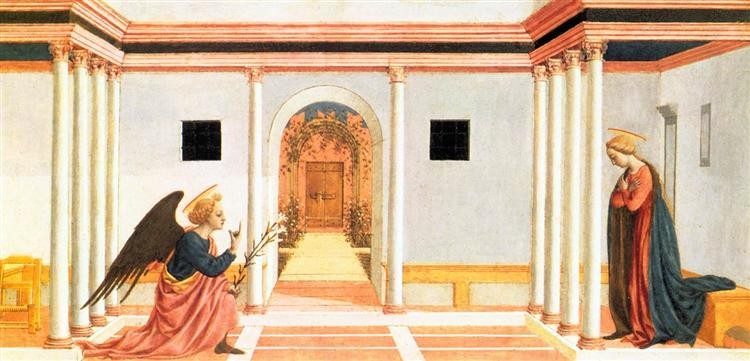 Fitzwilliam Museum2 recorded worksFrom the collection: The Annunciation, predella panel from the St. Lucy Altarpiece
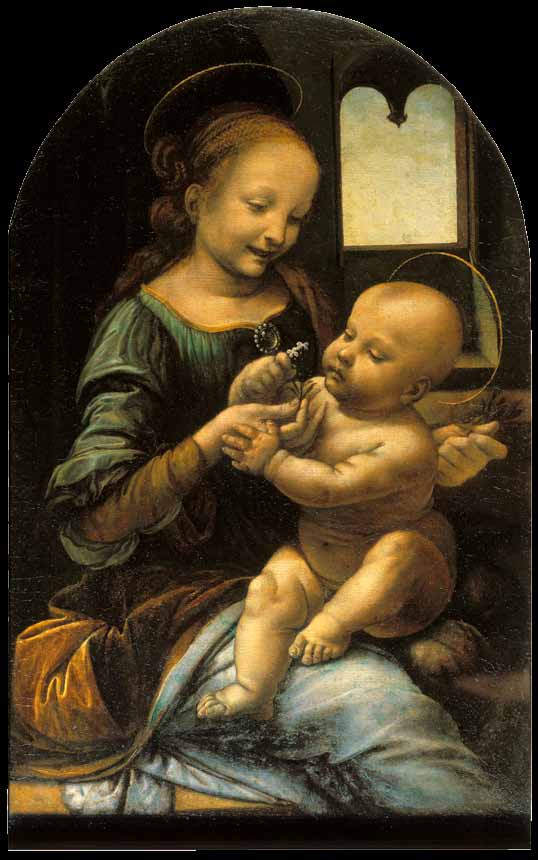 Hermitage Museum2 recorded worksMadonna and Child (Benois Madonna)
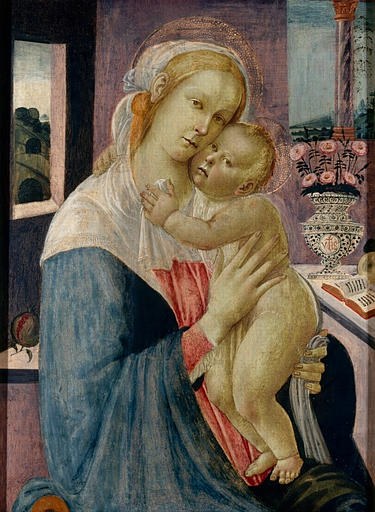 musée des Beaux-Arts — Nantes2 recorded worksFrom the collection: La Vierge à l'enfant Jésus
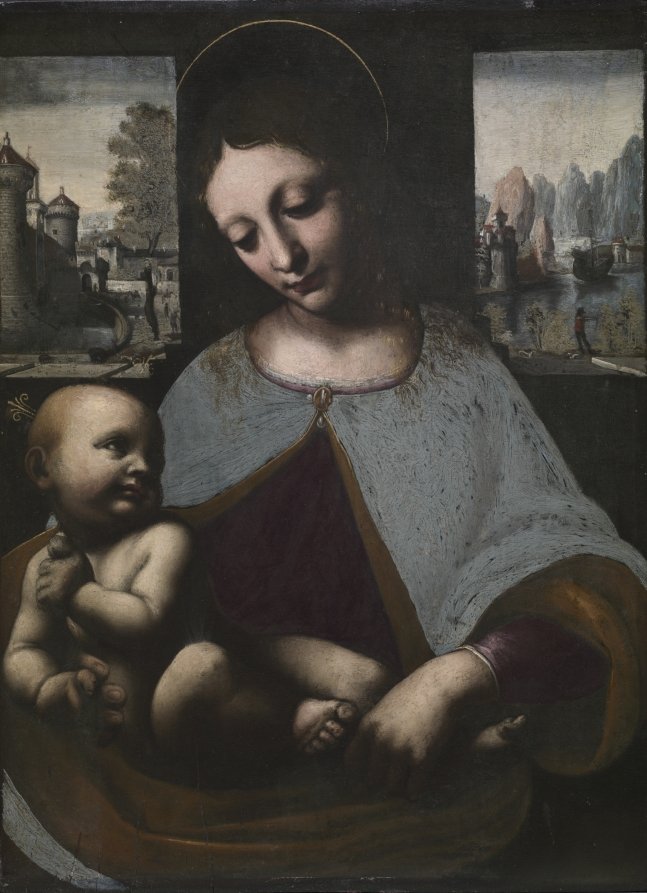 The Cleveland Museum of Art2 recorded worksVirgin and Child
Sources 15
- Wikidata (CC0)
- National Gallery, London
- National Gallery, London
- National Gallery of Art
- National Gallery, London
- National Gallery, London
- Pantheon 2025 — Datawheel (CC BY-SA 4.0)
- National Gallery, London
- Museum authority country review
- Polish museum and gallery creator authorities
- Pantheon 2025 — Datawheel (CC BY-SA 4.0)
- Cleveland official native collection and CC0 images
- Musée du Louvre
- National Gallery, London
- Pantheon 2025 — Datawheel (CC BY-SA 4.0)
In Gombrich’s The Story of Art
- The Last Supper · 1495–1498
- Mona Lisa · c. 1502