 Art, literature & history
Johannes Vermeer
1632–1675
Selected artwork
Study of a Young Woman
ca. 1665–67
The Metropolitan Museum of Art
Life & artwork timeline
1632–1675
7 artwork previews
Select a dot to preview a work. Dots show selected works and the current gallery page. Ranges begin at their recorded starting year.
Study of a Young Woman
ca. 1665–67
Other names (39)
de Delfet Vander-Meer, de Delfsche vander Meer, De Delfsche van der Meer, de Delftsche van der Meer, de Delft Vander Méer, de Delfze van der Meer, Delfsche van der Meer, Delfter Vermeer, Delftsche Vermeer, De Meere, Der Delftsche v. d. Neer, Ĭokhannes Vermer, Ĭokhannes Vermer Delftskiĭ, jan der meer, Jan Reyniersz Vermeer van Delft, Jan van Der Meer, jan van der meer der altere, Jan Van der Meer van Delft, Jan Vermeer de Delft, Jan Vermeer Delft, Jan Vermeer of Delft, jan vermeer of haarlem, Johannes Schwartz, Johannes van Delft Vermeer, J. vander Meer van Delft, J. Vermeer of Delft, of Delft Van der Meer, of Delft V. der Meer, van der Meer, Vandermeer de Delft, Van der Meer de Delft, Vander Meer de Delft, vander Meer van Delft, Van der, of Delft Meer, V. D. Meer, ver meer, vermeer of haarlem, Vermeer van Delft, Vermeer van van Delft
Biography
Johannes Vermeer lived and worked in Delft, where he joined the painters' guild as a master in 1653. His relatively small surviving body of work includes religious subjects, domestic interiors and allegories. Carefully directed light and measured arrangements of figures and objects give many of these paintings an intimate character. His early work shows affinities with the Utrecht followers of Caravaggio, although the details of his own training remain uncertain. Artline does not treat a proposed teacher as an established fact. The selected museum paintings include women engaged in everyday activities, a study of a young woman and a religious allegory.
Reference biography
Johannes Vermeer ( vər-MEER, vər-MAIR, Dutch: [joːˈɦɑnəs fərˈmeːr]; see below; also known as Jan Vermeer; October 1632 – 15 December 1675) was a Dutch painter who specialized in domestic interior scenes of middle-class life. He is considered one of the greatest painters of the Dutch Golden Age. During his lifetime, he was a moderately successful provincial genre painter, recognized in Delft and The Hague. He produced relatively few paintings, primarily earning his living as an art dealer. He was not wealthy; at his death, his wife was left in debt.
Vermeer worked slowly and with great care, and frequently used very expensive pigments. He is particularly renowned for making masterful use of light in his work. "Almost all his paintings", Hans Koningsberger wrote, "are apparently set in two smallish rooms in his house in Delft; they show the same furniture and decorations in various arrangements and they often portray the same people, mostly women."
The modest celebrity he enjoyed during his life gave way to obscurity after his death. He was barely mentioned in Arnold Houbraken's major source book on 17th-century Dutch painting (Grand Theatre of Dutch Painters and Women Artists, published 1718) and, as a result, was omitted from subsequent surveys of Dutch art for nearly two centuries. In the 19th century, Vermeer was rediscovered by Gustav Friedrich Waagen and Théophile Thoré-Bürger, who published an essay attributing 66 works to him, although only 34 paintings are universally attributed to him today. Since that time, Vermeer's reputation has grown enormously.
Text sources
Artistic connections
Explore the people and evidence around Johannes Vermeer.
Teachers & influences
3 of 9You are exploring
Johannes Vermeer
1632–1675Influence & legacy
3 of 9Artworks by year
Loading chronology…Museum / collectionAll collections
Finding recorded artworks…
Exhibition records
View exhibitions →Museums & collections
Documented holdings of works attributed to Johannes Vermeer. Check the museum’s record for current display information.
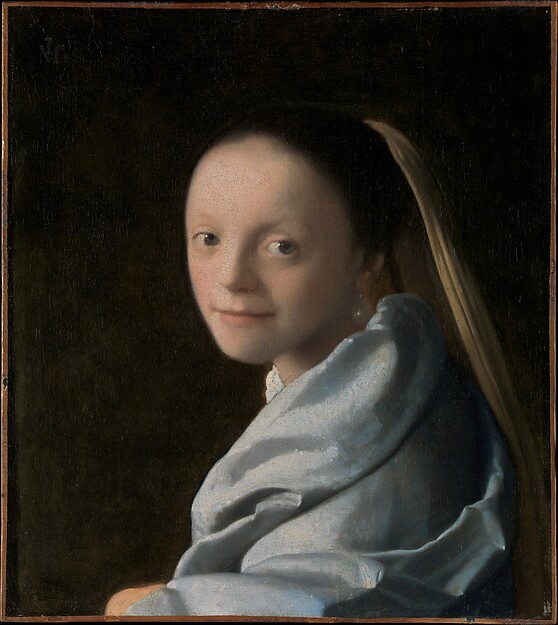 The Metropolitan Museum of Art6 recorded worksStudy of a Young Woman
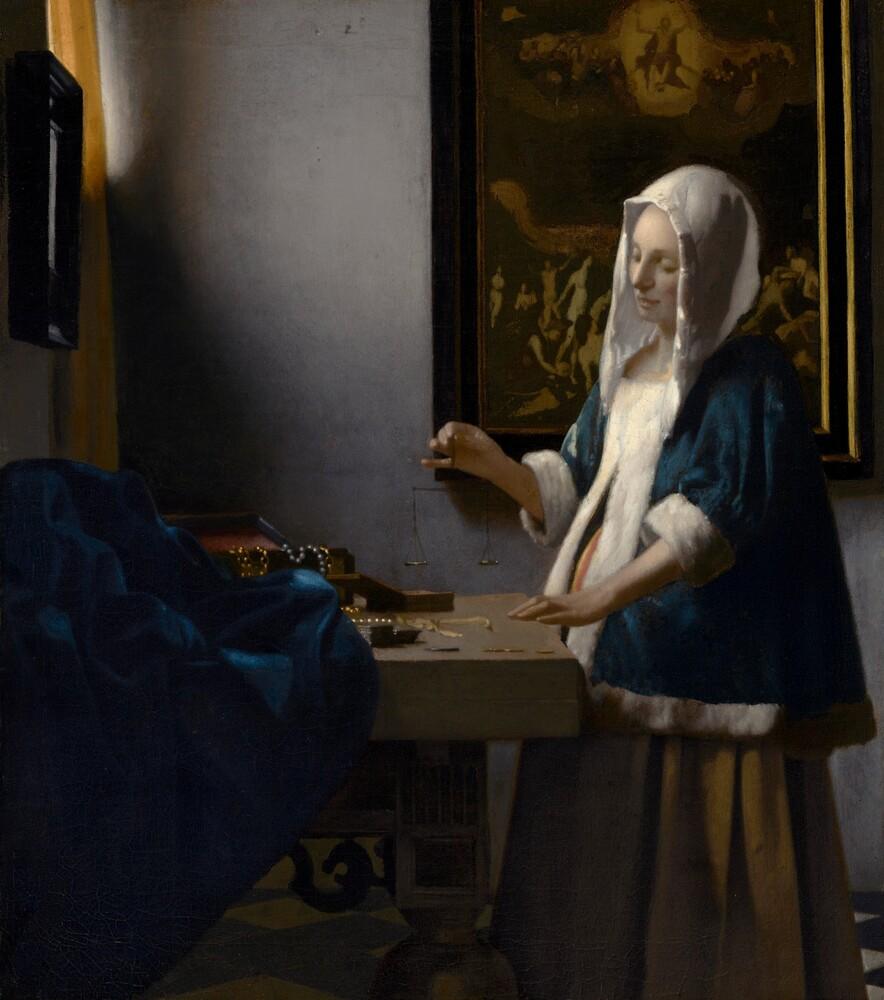 National Gallery of Art5 recorded worksWoman Holding a Balance
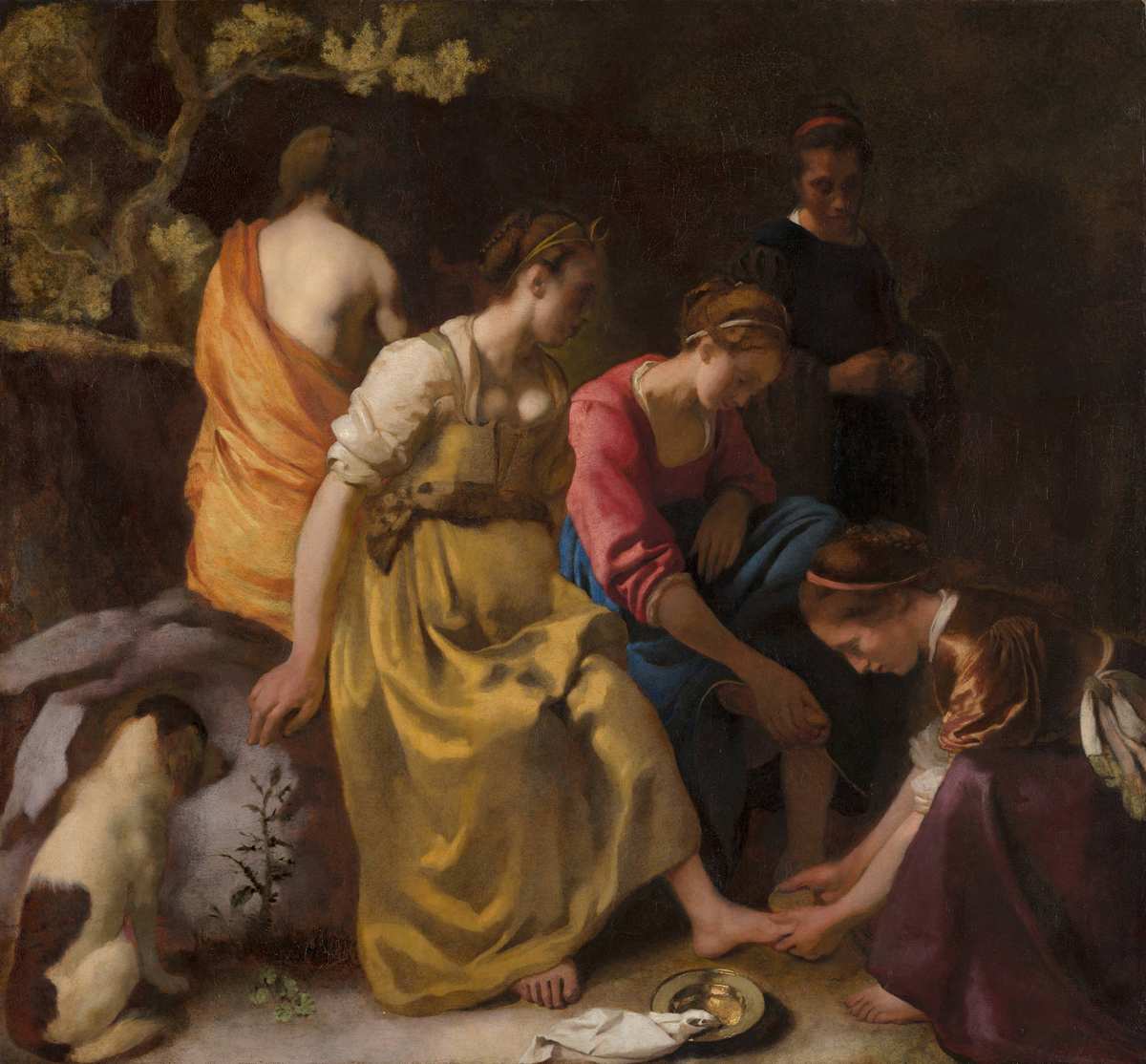 Mauritshuis4 recorded worksDiana and her NymphsDiana en haar nimfen
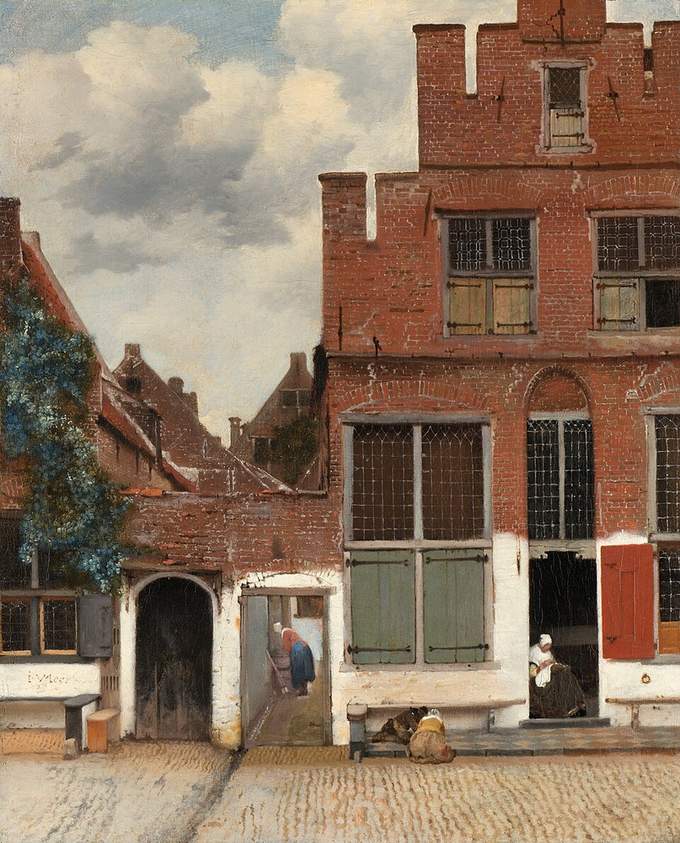 Rijksmuseum4 recorded worksGezicht op huizen in Delft, bekend als ‘Het straatje’
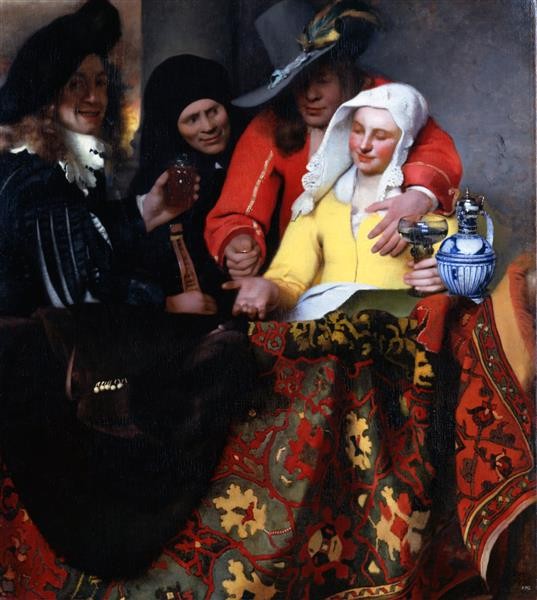 Gemäldegalerie Alte Meister2 recorded worksThe Procuress
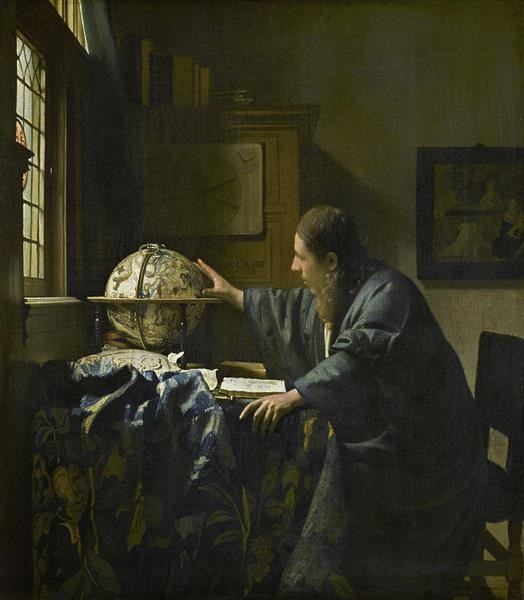 Musée du Louvre2 recorded worksThe astronomer
Sources 16
- Wikidata (CC0)
- Austrian museum collections: independent authority research
- National Gallery, London
- National Gallery of Art
- National Gallery, London
- Museum authority country review
- National Gallery, London
- Pantheon 2025 — Datawheel (CC BY-SA 4.0)
- National Gallery, London
- Museum authority country review
- Museum expansion — reviewed primary staedel-001 records, 6 October 2026
- Pantheon 2025 — Datawheel (CC BY-SA 4.0)
- Expanded artwork research — official museum evidence
- Austrian museum collections: independent authority research
- National Gallery, London
- Pantheon 2025 — Datawheel (CC BY-SA 4.0)
In Gombrich’s The Story of Art
- The Milkmaid · c. 1660