 Art, literature & history
Robert Campin
1375–1444
Selected artwork
John the Baptist
c. 1410
The Cleveland Museum of Art
Life & artwork timeline
1375–1444
1 artwork preview
Select a dot to preview a work. Dots show selected works and the current gallery page. Ranges begin at their recorded starting year.
John the Baptist
c. 1410
Other names (1)
Campin
Biography
Robert Campin (c. 1378 – 26 April 1444), now usually identified with the Master of Flémalle (earlier the Master of the Merode Triptych before the discovery of three other similar panels), was a master painter who, along with Jan van Eyck, initiated the development of early Netherlandish painting, a key development in the early Northern Renaissance.
While the existence of a highly successful painter called Robert Campin is relatively well documented for the period, no works can be certainly identified as by him through a signature or contemporary documentation. A group of paintings, none dated, have been long attributed to him, and a further group were once attributed to an unknown "Master of Flémalle". It is now usually thought that both groupings are by Campin, but this has been a matter of some controversy for decades.
A corpus of work is attached to the unidentified "Master of Flémalle," so named in the 19th century after three religious panels said to have come from a monastery in Flémalle. They are each assumed to be wings of triptychs or polyptychs, and are the Virgin and Child with a Firescreen now in London, a panel fragment with the Thief on the Cross in Frankfurt, and the Brussels version of the Mérode Altarpiece.
Campin was active by 1406 as a master painter in Tournai, in today's Belgium, and became that city's leading painter for 30 years. He had attained citizenship by 1410. His fame had spread enough by 1419 that he led a large and profitable workshop. He had an extra-marital affair with a woman named Leurence Pol, which led to his imprisonment. Campin, however, was able to maintain his public standing and workshop until his death in 1444.
The early Campin panels show the influence of the International Gothic artists the Limbourg brothers (1385–1416) and Melchior Broederlam (c. 1350 – c.1409), but display a more realistic observation than any earlier artists, achieved through innovations in the use of oil paints. He was successful in his lifetime, and the recipient of a number of civic commissions. Campin taught both Rogier van der Weyden, named in these early records as Rogelet de la Pasture, a French version of his name) and Jacques Daret. Campin was a contemporary of Jan van Eyck, and they are recorded as meeting in 1427. Campin's best known work is the Mérode Altarpiece of c. 1425–28.
Text sources
Artistic connections
Explore the people and evidence around Robert Campin.
Teachers & influences
0No connections recorded.
You are exploring
Robert Campin
1375–1444Influence & legacy
3 of 5Artworks by year
Loading chronology…Museum / collectionAll collections
Finding recorded artworks…
Exhibition records
View exhibitions →Museums & collections
Documented holdings of works attributed to Robert Campin. Check the museum’s record for current display information.
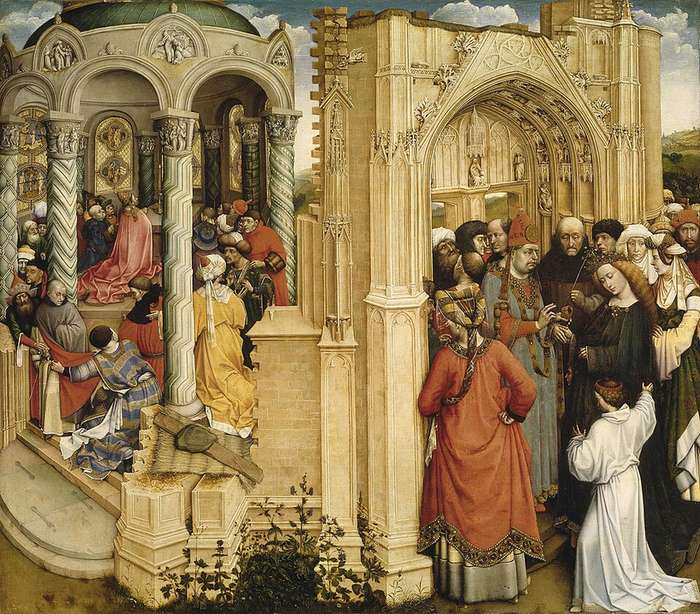 Museo Nacional del Prado2 recorded worksLos Desposorios de la Virgen
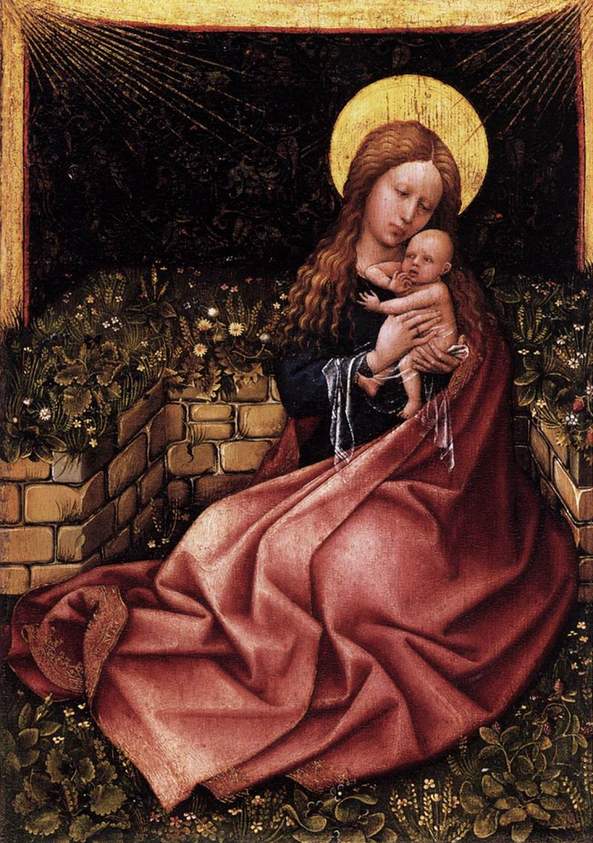 Gemäldegalerie, Staatliche Museen zu Berlin1 recorded workMadonna by a Grassy Bank Oak
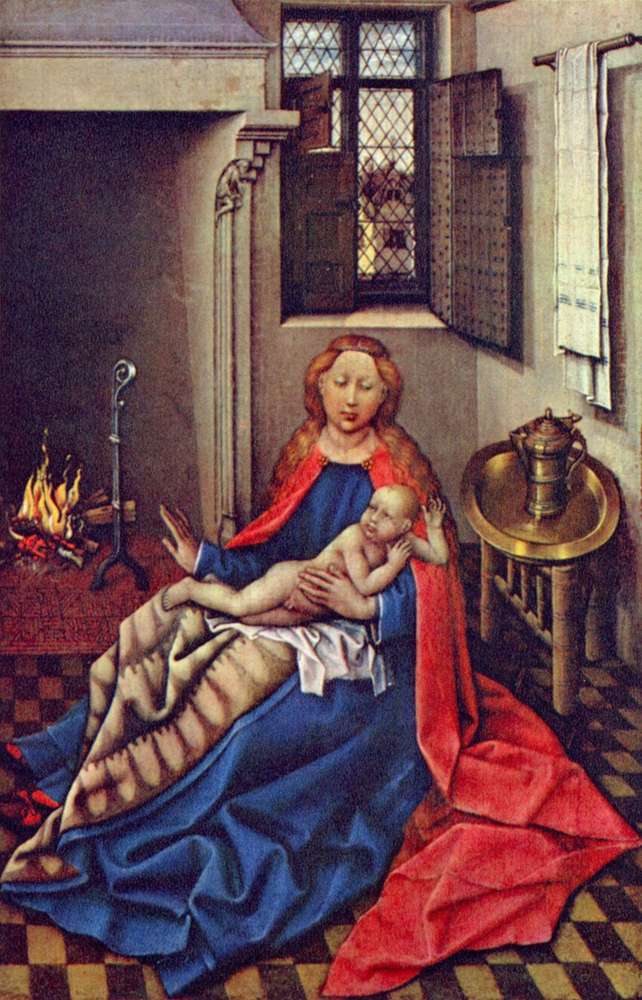 Hermitage Museum1 recorded workMadonna and Child Before a Fireplace
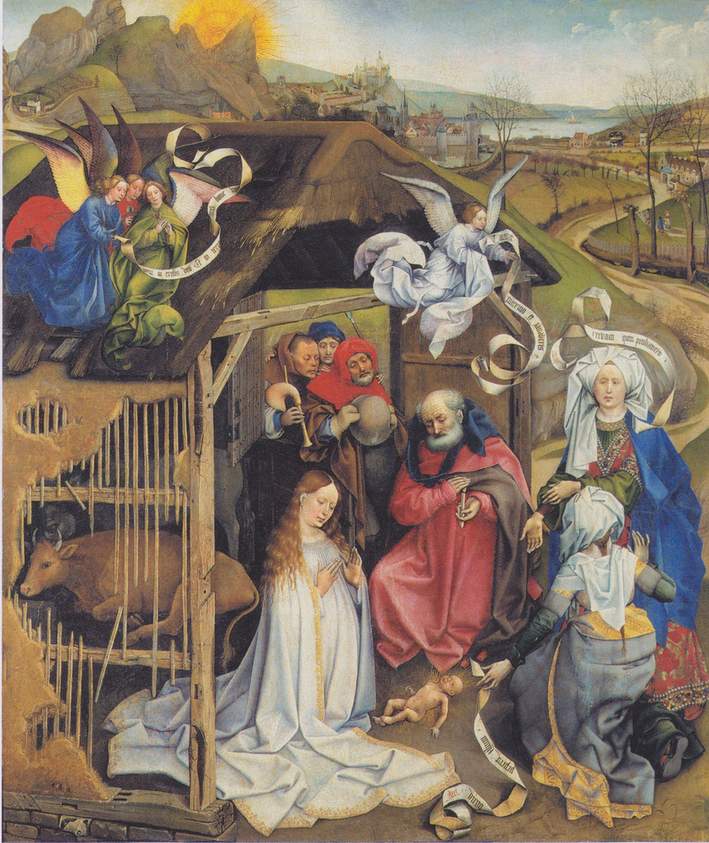 musée des beaux-arts — Dijon1 recorded workAdoration of Shepherds
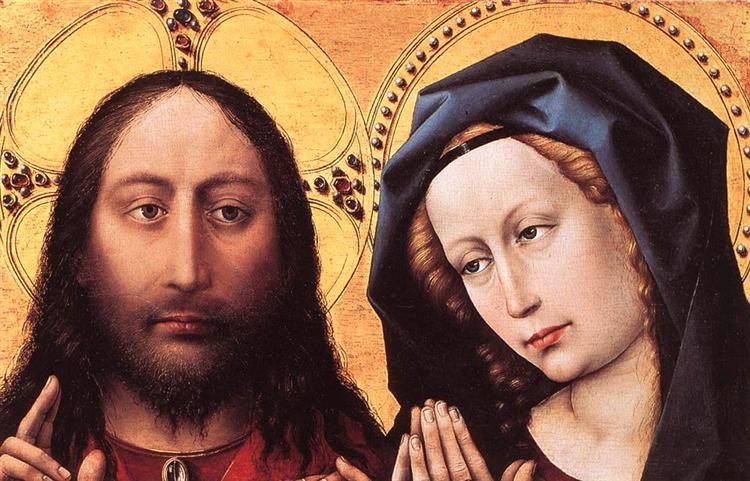 Philadelphia Museum of Art1 recorded workBlessing Christ and Praying Virgin
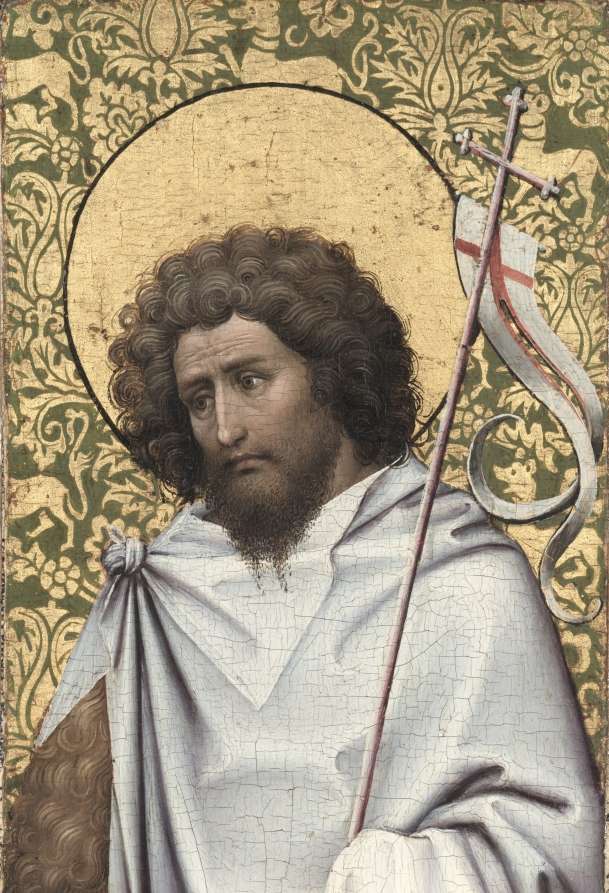 The Cleveland Museum of Art1 recorded workJohn the Baptist