 Art, literature & history
Max Liebermann
1847–1935
Selected artwork
The beach of Noordwijk
1908
Staatliche Kunsthalle Karlsruhe
Life & artwork timeline
1847–1935
2 artwork previews
Select a dot to preview a work. Dots show selected works and the current gallery page. Ranges begin at their recorded starting year.
The beach of Noordwijk
1908
Other names (8)
Liebermann, Maks Liberman, Max Lieberman, Max von Liebermann, M. Lieberman, M. Liebermann, Professor Max Liebermann, Prof. Max Liebermann
Biography
Max Liebermann (20 July 1847 – 8 February 1935) was a German painter and printmaker, and one of the leading proponents of Impressionism in Germany and continental Europe. In addition to his activity as an artist, he also assembled an important collection of French Impressionist works.
The son of a Jewish banker, Liebermann studied art in Weimar, Paris, and the Netherlands. After living and working for some time in Munich, he returned to Berlin in 1884, where he remained for the rest of his life. He later chose scenes of the bourgeoisie, as well as aspects of his garden near Lake Wannsee, as motifs for his paintings. Noted for his portraits, he did more than 200 commissioned ones over the years, including of Albert Einstein and Paul von Hindenburg.
Liebermann was honored on his 50th birthday with a solo exhibition at the Prussian Academy of Arts in Berlin, and the following year he was elected to the academy. From 1899 to 1911 he led the premier avant-garde formation in Germany, the Berlin Secession. Beginning in 1920 he was president of the Prussian Academy of Arts. On his 80th birthday, in 1927, Liebermann was celebrated with a large exhibition, declared an honorary citizen of Berlin and hailed in a cover story in Berlin's leading illustrated magazine.
But such public accolades were short-lived. In 1933 he resigned when the academy decided to no longer exhibit works by Jewish artists, before he would have been forced to do so under laws restricting the rights of Jews. His art collection, which his wife inherited after his death, was looted by the Nazis after her death in 1943.
In his various capacities as a leader in the artistic community, Liebermann spoke out often for the separation of art and politics. In the words of arts reporter and critic, Grace Glueck, he "pushed for the right of artists to do their own thing, unconcerned with politics or ideology." His interest in French Realism was offputting to conservatives, for whom such openness suggested what they thought of as Jewish cosmopolitanism.
Text sources
Artistic connections
Explore the people and evidence around Max Liebermann.
Teachers & influences
3You are exploring
Max Liebermann
1847–1935Influence & legacy
3Artworks by year
Loading chronology…Museum / collectionAll collections
Finding recorded artworks…
Exhibition records
View exhibitions →Museums & collections
Documented holdings of works attributed to Max Liebermann. Check the museum’s record for current display information.
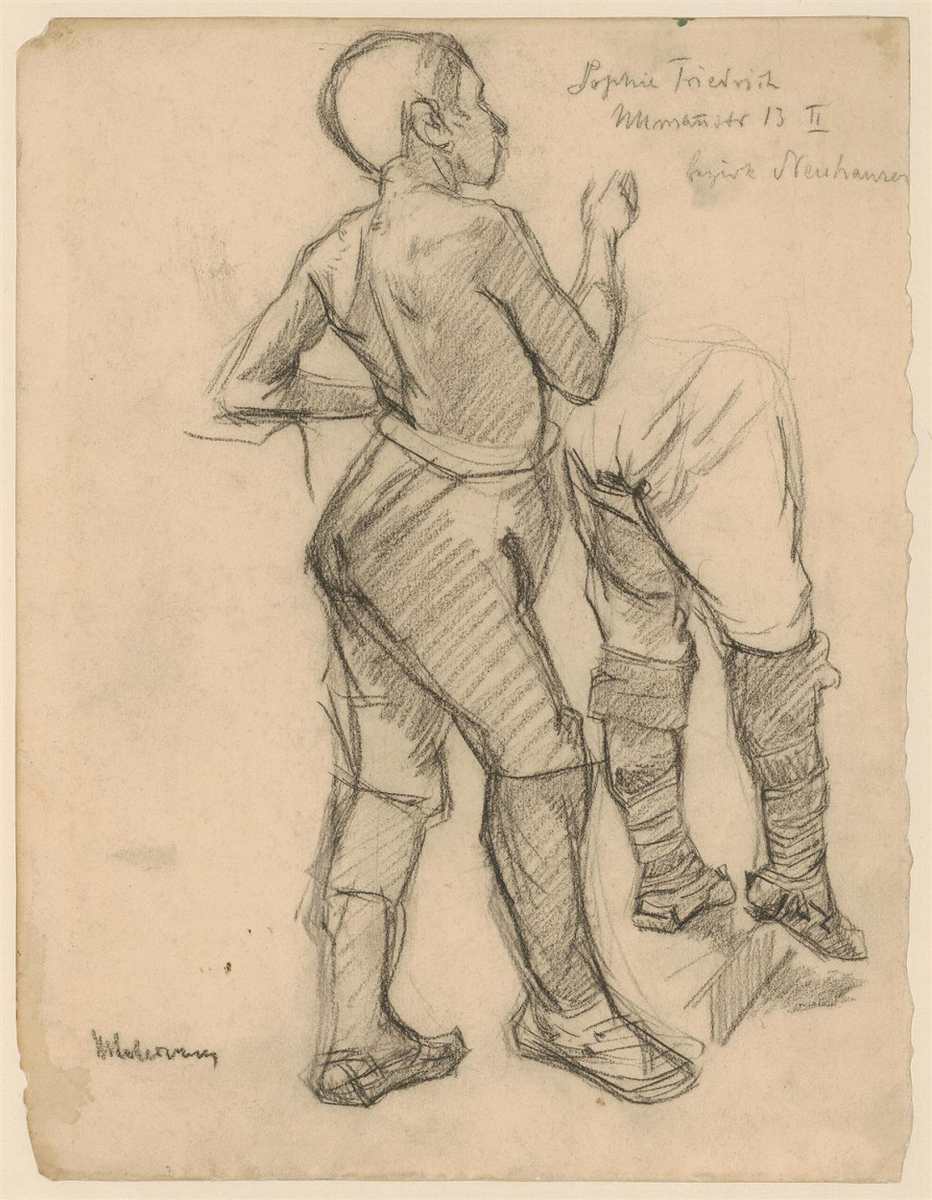 Hamburger Kunsthalle360 recorded worksStudie eines Knaben - Studie für das Gemälde "Der zwölfjährige Jesus im Tempel"
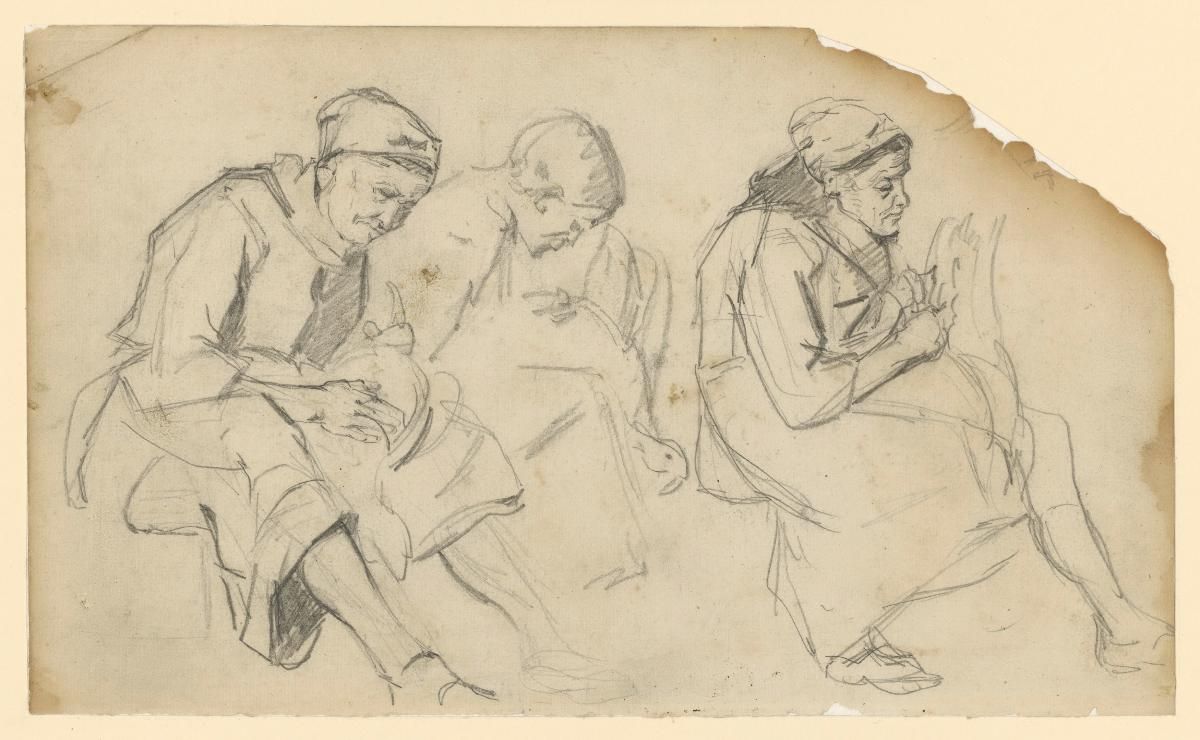 Staatliche Museen zu Berlin, Berlin, Germany222 recorded worksStudie zu den "Gänserupferinnen" (drei sitzende Frauen)
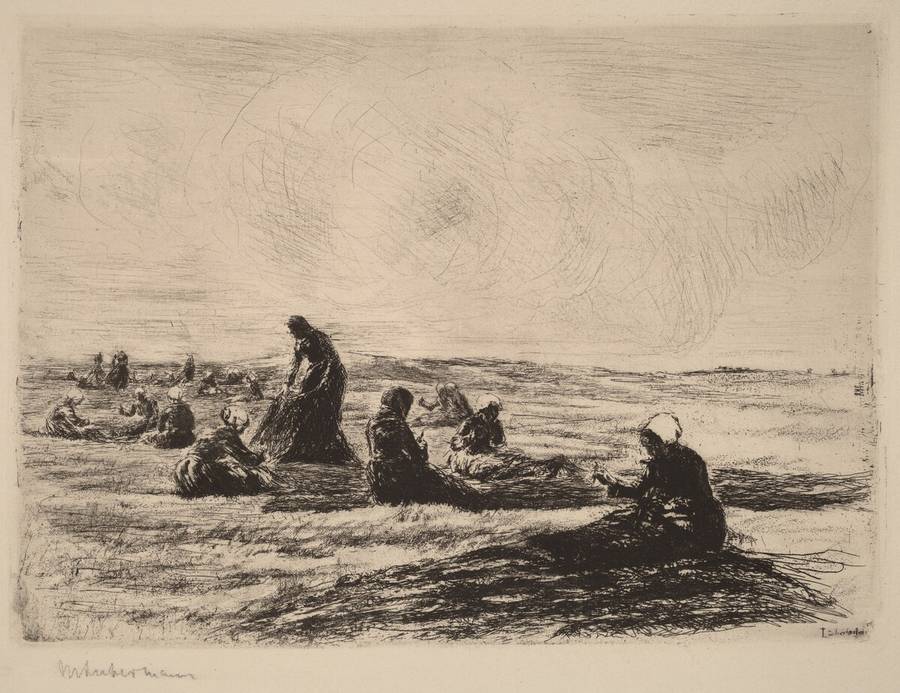 National Gallery of Art29 recorded worksMending the Nets
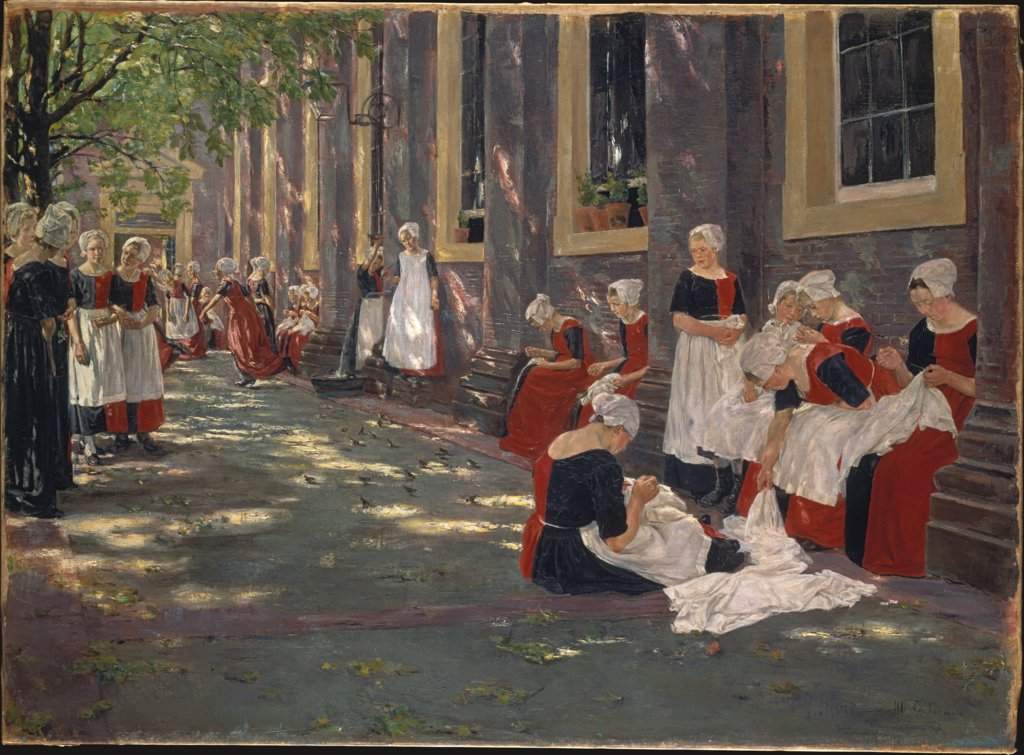 Städel Museum27 recorded worksThe Courtyard of the Orphanage in Amsterdam: Free Period in the Amsterdam Orphanage
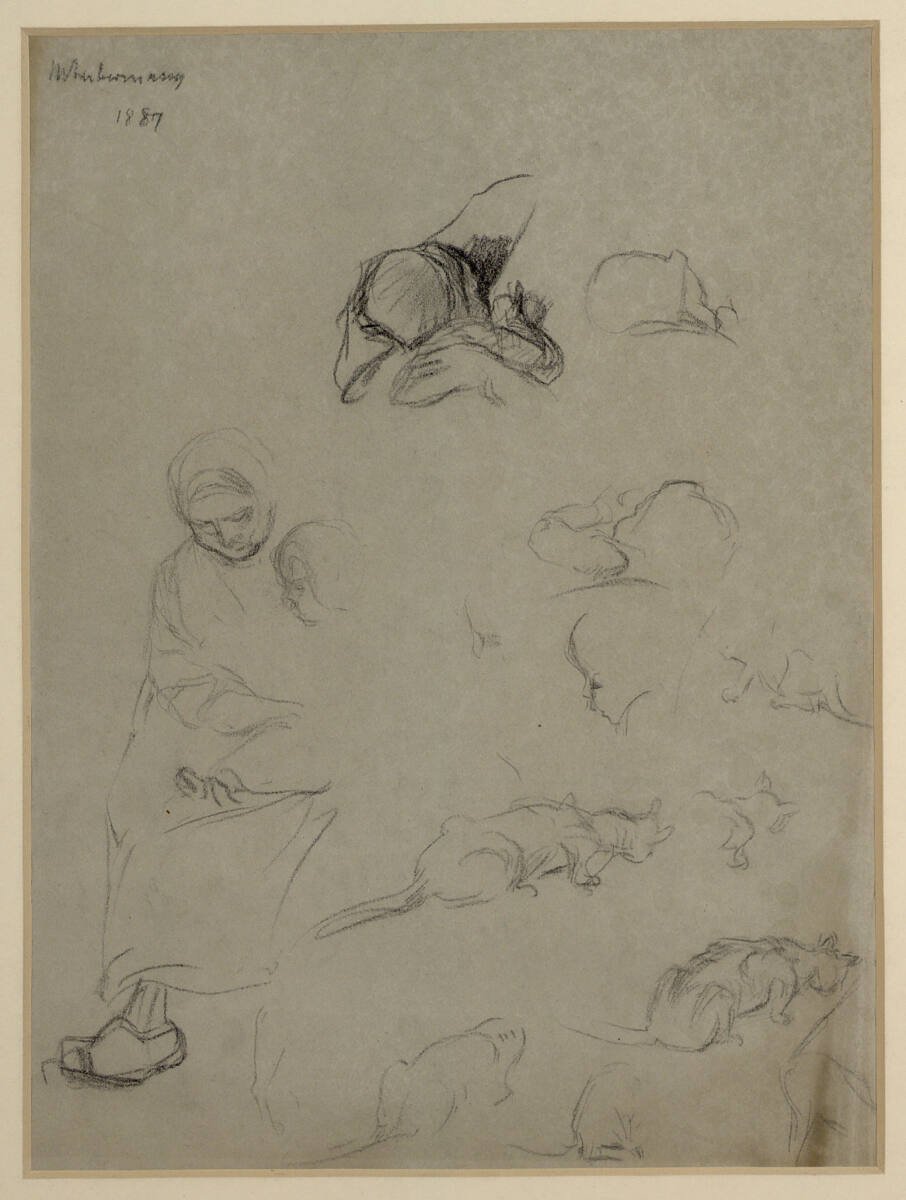 Albertina26 recorded worksMutter-Kind- und Katzenstudien
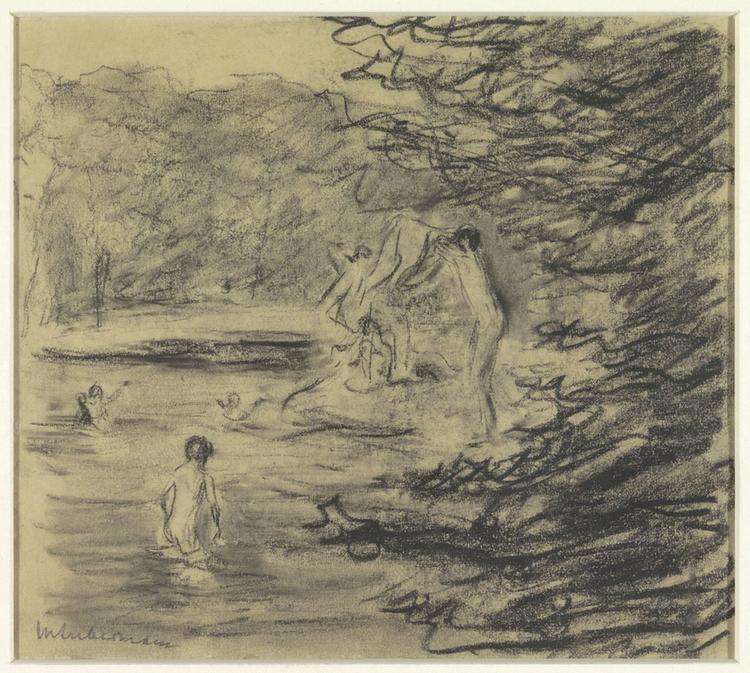 Rijksmuseum26 recorded worksBadende jongens in bosvijver
Sources 12
- Wikidata (CC0)
- Austrian museum collections: independent authority research
- National Gallery of Art
- Country research — museum-connected artworks and verified painter affiliations
- Museum authority country review
- Getty ULAN — primary artist cultural affiliations
- Pantheon 2025 — Datawheel (CC BY-SA 4.0)
- Museum authority country review
- Tate Collection metadata (October 2014 snapshot)
- Pantheon 2025 — Datawheel (CC BY-SA 4.0)
- Austrian museum collections: independent authority research
- Pantheon 2025 — Datawheel (CC BY-SA 4.0)