 Art, literature & history
John Everett Millais
1829–1896
Selected artwork
Ophelia
1851–2
Tate
Life & artwork timeline
1829–1896
1 artwork preview
Select a dot to preview a work. Dots show selected works and the current gallery page. Ranges begin at their recorded starting year.
Ophelia
1851–2
Other names (15)
J.E. Millais, J. Millais, John E. Millais, John Everett Millais, John Everett Millais, John Everett Millais, John Everett Millais, John Everett Millais, John Everett Millais (Sir), Millais, sir john e. millais, Sir John Everett Millais, Sir John Everett Millais, 1st Baronet, Sir John Everett Millais, Bt, Sir John Everett Millais P R A
Biography
Sir John Everett Millais, 1st Baronet ( MIL-ay; 8 June 1829 – 13 August 1896) was an English painter and illustrator who was one of the founders of the Pre-Raphaelite Brotherhood. He was a child prodigy who, aged eleven, became the youngest student to enter the Royal Academy Schools. The Pre-Raphaelite Brotherhood was founded at his family home in London, at 83 Gower Street (now number 7). Millais became the most famous exponent of the style, his painting Christ in the House of His Parents (1849–50) generating considerable controversy, and he produced a picture that could serve as the embodiment of the historical and naturalist focus of the group, Ophelia, in 1851–1852.
By the mid-1850s, Millais was moving away from the Pre-Raphaelite style to develop a new form of realism in his art. His later works were enormously successful, making Millais one of the wealthiest artists of his day, but some former admirers including William Morris saw this as a sell-out (Millais notoriously allowed one of his paintings to be used for a sentimental soap advertisement). While these and early 20th-century critics, reading art through the lens of Modernism, viewed much of his later production as wanting, this perspective has changed in recent decades, as his later works have come to be seen in the context of wider changes and advanced tendencies in the broader late nineteenth-century art world, and can now be seen as predictive of the art world of the present.
Millais's personal life has also played a significant role in his reputation. His wife Effie was formerly married to the critic John Ruskin, who had supported Millais's early work. The annulment of the Ruskin marriage and Effie's subsequent marriage to Millais have sometimes been linked to his change of style. She also became a powerful promoter of his work and they worked in concert to secure commissions and expand their social and intellectual circles.
Text sources
Artistic connections
Explore the people and evidence around John Everett Millais.
Teachers & influences
2You are exploring
John Everett Millais
1829–1896Influence & legacy
3 of 4Artworks by year
Loading chronology…Museum / collectionAll collections
Finding recorded artworks…
Exhibition records
View exhibitions →Museums & collections
Documented holdings of works attributed to John Everett Millais. Check the museum’s record for current display information.
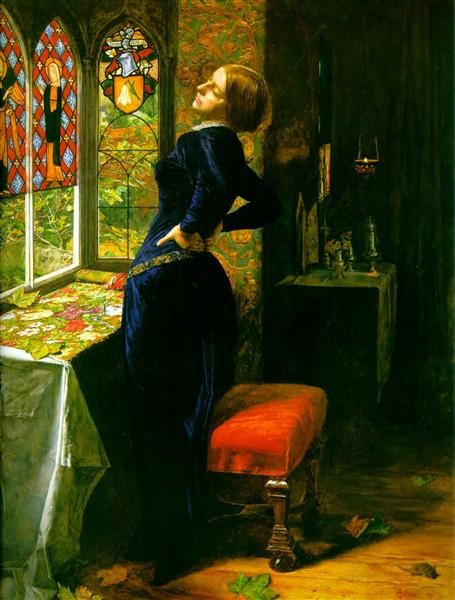 Tate55 recorded worksMariana
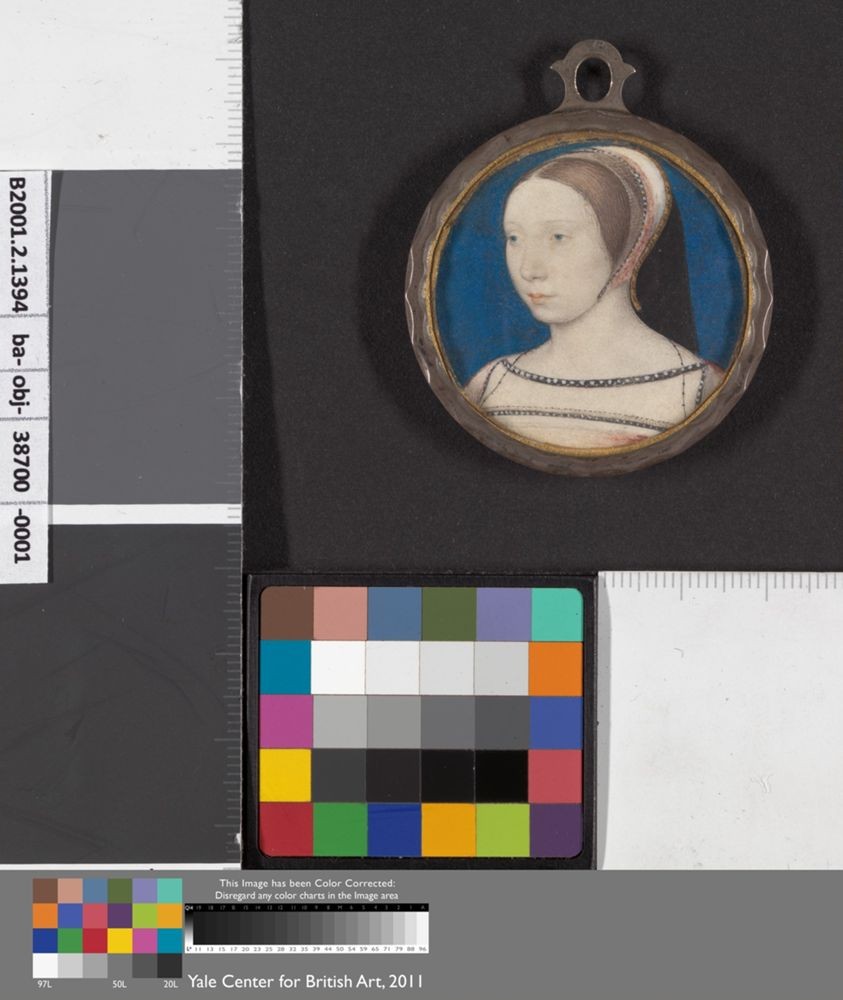 Yale Center for British Art13 recorded worksFrom the collection: Portrait of a Lady
 Art Institute of Chicago10 recorded worksFrom the collection: Double-Edged Bannerstone
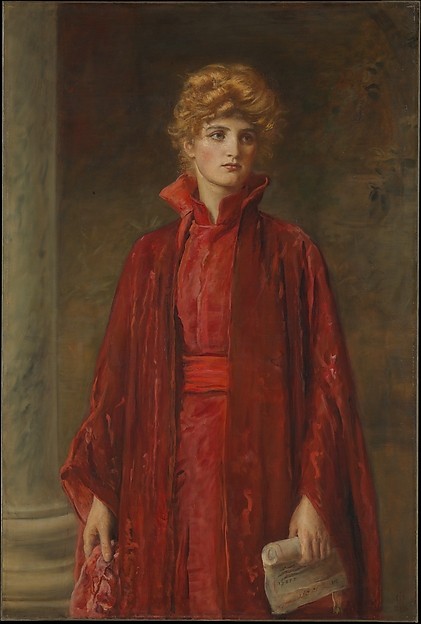 The Metropolitan Museum of Art8 recorded worksPortia
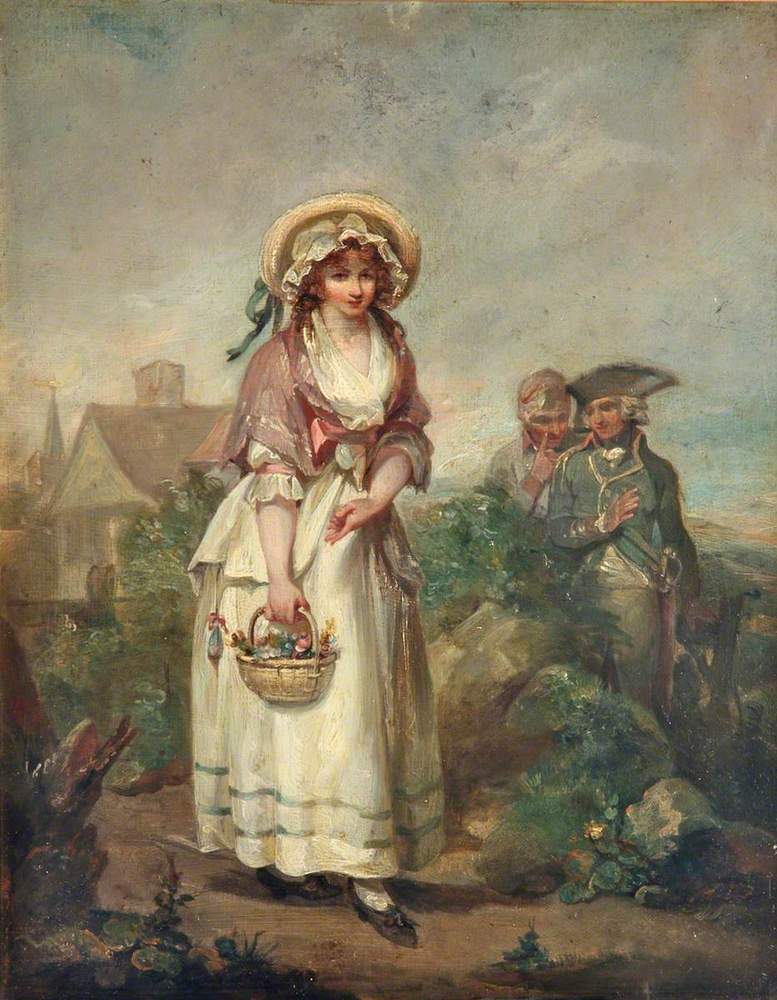 Lady Lever Art Gallery3 recorded worksFrom the collection: Flora
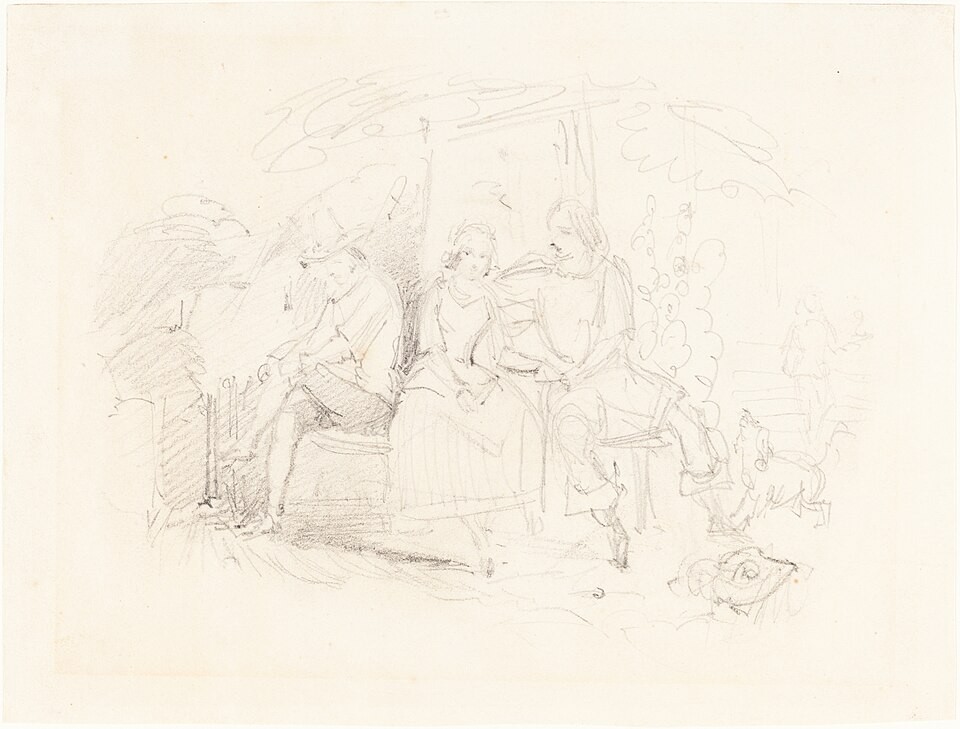 National Gallery of Art3 recorded worksLovers under a Tree
Sources 11
- Wikidata (CC0)
- National Gallery of Art
- Museum authority country review
- Pantheon 2025 — Datawheel (CC BY-SA 4.0)
- Museum authority country review
- Tate Collection metadata (October 2014 snapshot)
- Pantheon 2025 — Datawheel (CC BY-SA 4.0)
- Expanded artwork research — official museum evidence
- Pantheon 2025 — Datawheel (CC BY-SA 4.0)
- UK painters — source authorities and selected artwork research
- UK painters — source authorities and selected artwork research