 Art, literature & history
Edvard Munch
1863–1944
Selected artwork
Evening, Melancholy I
1896
The Cleveland Museum of Art
Life & artwork timeline
1863–1944
11 artwork previews
Select a dot to preview a work. Dots show selected works and the current gallery page. Ranges begin at their recorded starting year.
Evening, Melancholy I
1896
Other names (4)
Eduard Munch, edv. munch, E. Munch, Munch
Biography
Edvard Munch ( MUUNK; Norwegian: [ˈɛ̀dvɑɖ ˈmʊŋk] ; 12 December 1863 – 23 January 1944) was a Norwegian painter. His 1893 work The Scream has become one of the iconic and acclaimed images in all of Western art.
Munch's childhood was overshadowed by illness, bereavement and the dread of inheriting a mental condition that ran in the family. Studying at the Royal School of Art and Design in Kristiania (Oslo), Munch began to live a bohemian life under the influence of the nihilist Hans Jæger, who urged him to paint his own emotional and psychological state ('soul painting'); from this emerged his distinctive style.
Travel brought new influences and outlets. In Paris, he learned much from Paul Gauguin, Vincent van Gogh and Henri de Toulouse-Lautrec, especially their use of color. In Berlin, he met the Swedish dramatist August Strindberg, whom he painted, as he embarked on a major series of paintings he later called The Frieze of Life, depicting a series of deeply felt themes such as love, anxiety, jealousy and betrayal, steeped in atmosphere.
The Scream was conceived in Kristiania. According to Munch, he was out walking at sunset, when he 'heard the enormous, infinite scream of nature'. The painting's agonized face is widely identified with the angst of the modern person. Between 1893 and 1910, he made two painted versions and two in pastels, as well as a number of prints. One of the pastels eventually commanded the fourth highest nominal price paid for a painting at auction.
As his fame and wealth grew, his emotional state remained insecure. He briefly considered marriage, but could not commit himself. A mental breakdown in 1908 forced him to give up heavy drinking, and he was cheered by his increasing acceptance by the people of Kristiania and exposure in the city's museums. His later years were spent working in peace and privacy. Although his works were banned in Nazi-occupied Europe, most of them survived World War II, securing his legacy.
Munch displayed a remarkable talent for drawing from an early age, yet he received minimal formal artistic training.
A pivotal influence on his artistic growth was his association with the Kristiania Bohème—a progressive circle of writers and artists in Kristiania (the former name of Oslo). The group's members championed free love and openly rejected the narrow-minded conventions of bourgeois society.
Among the more established painters in this circle, Christian Krohg provided Munch with valuable instruction as well as ongoing encouragement and support.
Edvard Munch was highly active in the fields of graphic art and printmaking, producing a substantial body of work using intaglio techniques—such as etching, drypoint, and aquatint—on copper plates. Beginning in 1894, he embarked on engraving directly onto copper and, largely self-taught and without formal instruction, created numerous masterpieces in this medium.
Text sources
Artistic connections
Explore the people and evidence around Edvard Munch.
Teachers & influences
3 of 7You are exploring
Edvard Munch
1863–1944Influence & legacy
3 of 17Artworks by year
Loading chronology…Museum / collectionAll collections
Finding recorded artworks…
Exhibition records
View exhibitions →Museums & collections
Documented holdings of works attributed to Edvard Munch. Check the museum’s record for current display information.
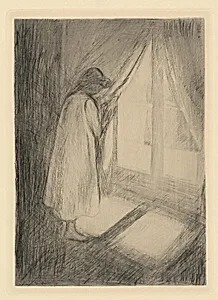 National Gallery of Art300 recorded worksGirl at Window (Madchen im Hemd am Fenster)
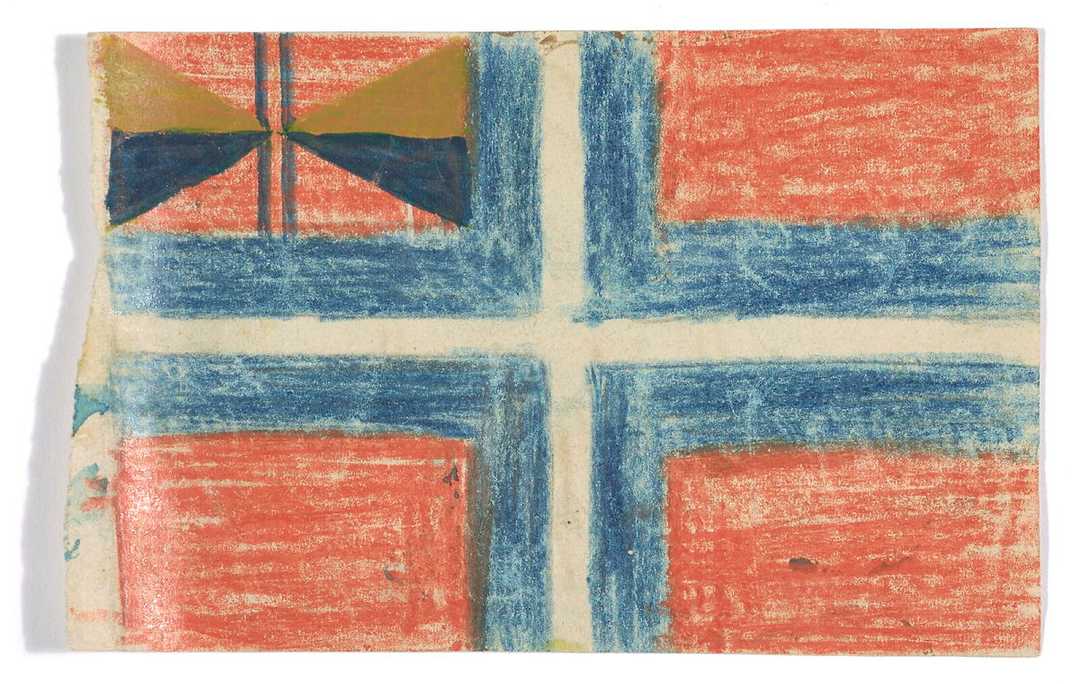 Munch Museum286 recorded worksThe Union Flag
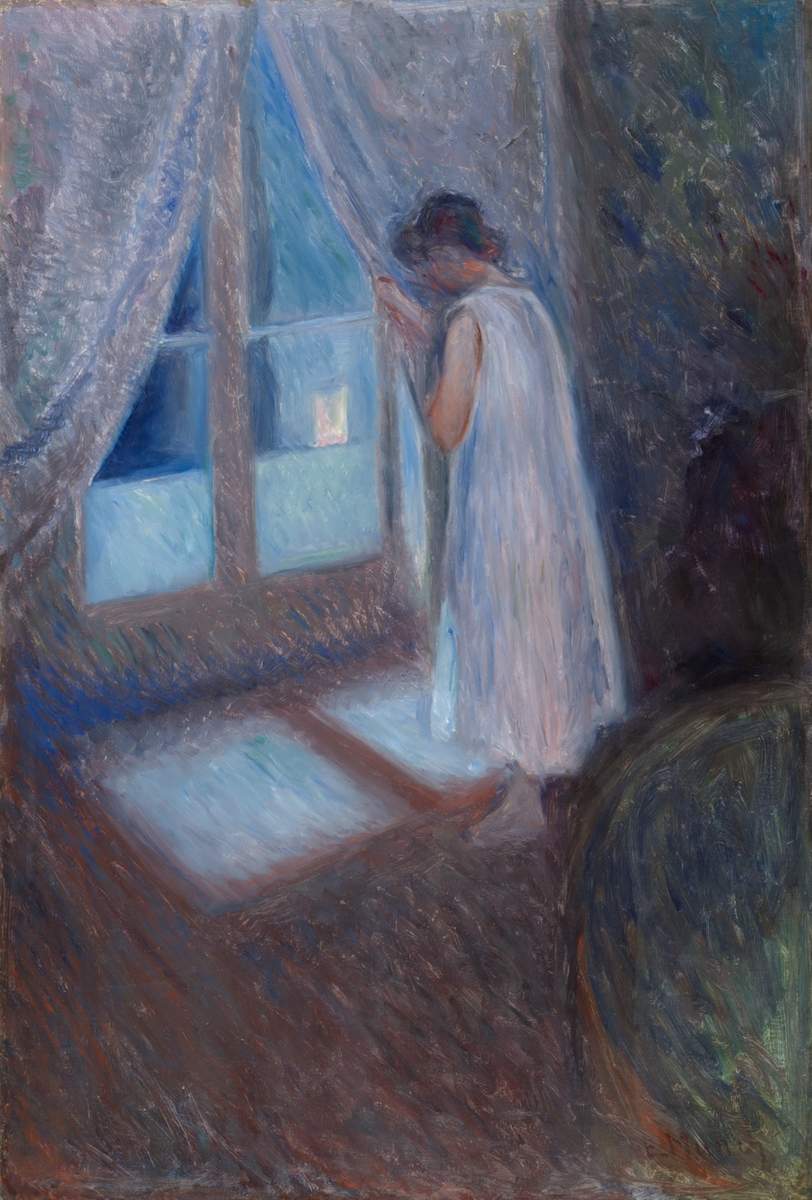 Art Institute of Chicago101 recorded worksThe Girl by the Window
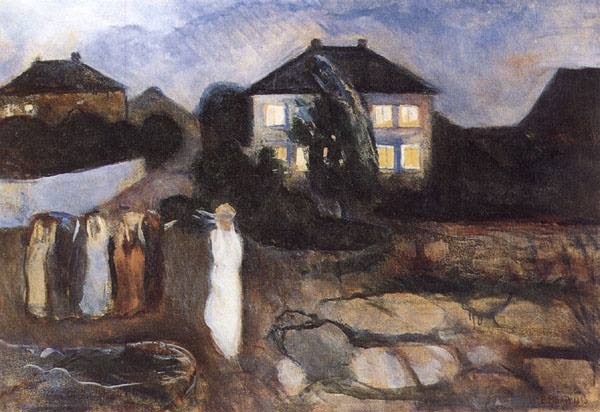 Museum of Modern Art65 recorded worksThe Storm
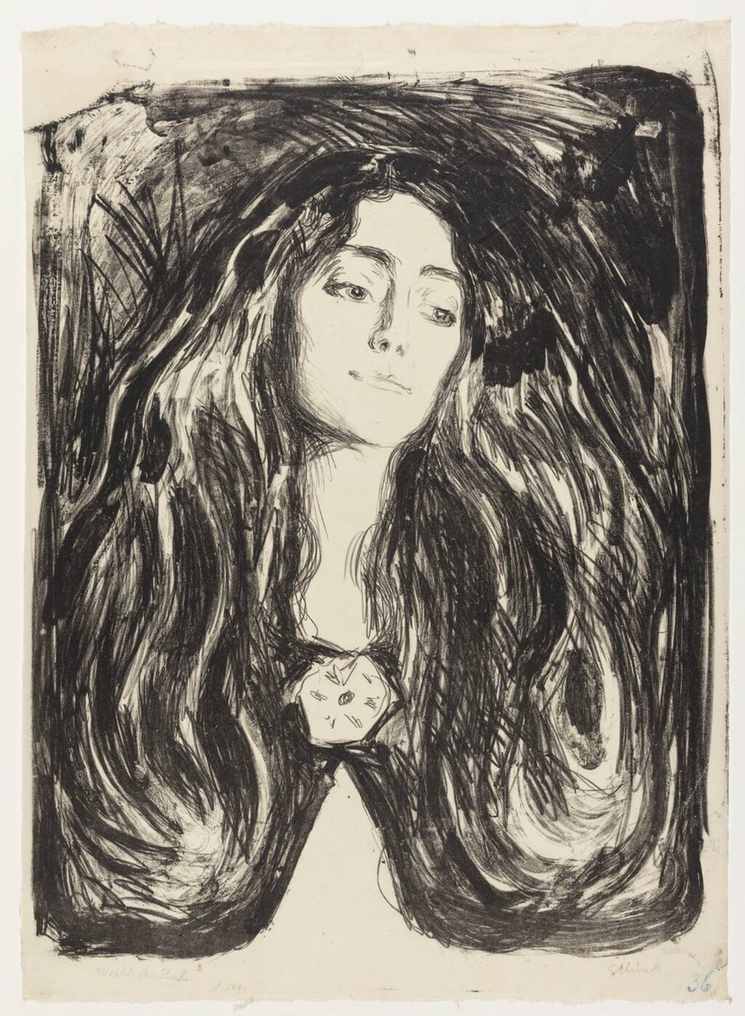 Statens Museum for Kunst (SMK)32 recorded worksMadonna
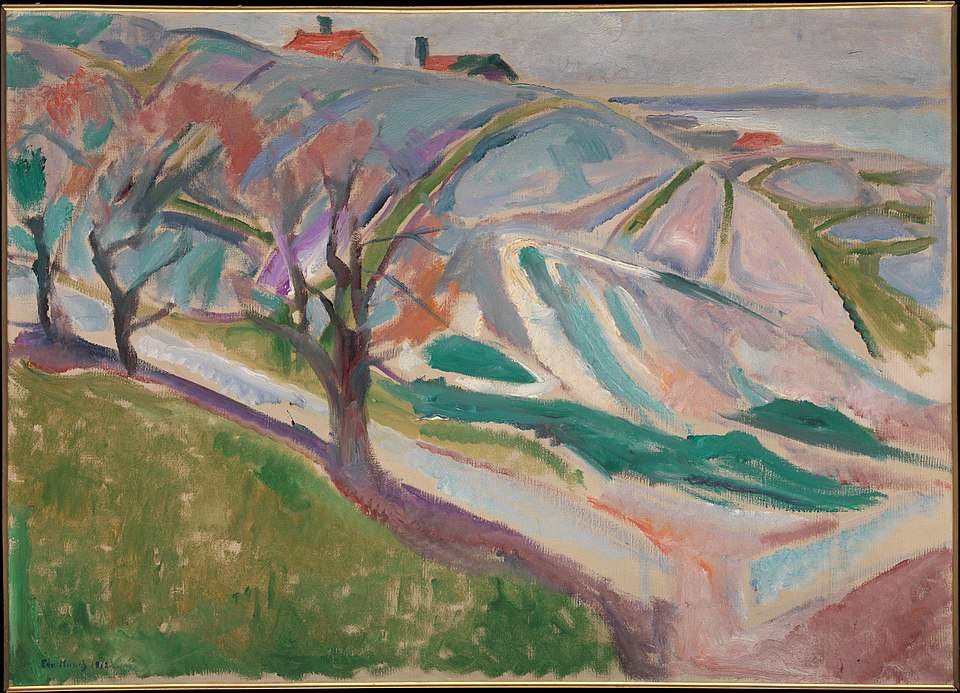 The Metropolitan Museum of Art22 recorded worksLandscape, Kragerø
Sources 18
- Wikidata (CC0)
- Austrian museum collections: independent authority research
- National Gallery of Art
- Institutional documentation for 50 owner-selected painting exhibitions
- Country research — museum-connected artworks and verified painter affiliations
- Getty ULAN — primary artist cultural affiliations
- Pantheon 2025 — Datawheel (CC BY-SA 4.0)
- Museum authority country review
- Statens Museum for Kunst (SMK)
- Tate Collection metadata (October 2014 snapshot)
- CH museum and gallery creator authorities
- US museum and gallery creator authorities
- Pantheon 2025 — Datawheel (CC BY-SA 4.0)
- Expanded artwork research — official museum evidence
- Austrian museum collections: independent authority research
- SMK — verified pre-1990 physical pictorial collection records
- MUNCH
- Pantheon 2025 — Datawheel (CC BY-SA 4.0)