 Art, literature & history
Artemisia Gentileschi
1593–1654 or later
Selected artwork
Judith Beheading Holofernes
c. 1620
Uffizi Galleries
Life & artwork timeline
1593–1654 or later
5 artwork previews
Select a dot to preview a work. Dots show selected works and the current gallery page. Ranges begin at their recorded starting year.
Judith Beheading Holofernes
c. 1620
Other names (19)
Artemesia Schiattesi, Artemiggia, Artemiggia Gentileschi, Artemisa, Artemiscia Gentoleschi, Artemisia, Artemisia del Gentileschi, Artemisia Gentilesca, Artemisia Gentileschi Lomi, Artemisia Lami Gentileschi, Artemisia Lomi, Artemissa del Gentileschy, Artemitia, Artemitia Gentilesca, Artemizia Gentilesca, Artimisi, Artimisia Gentileschi, Gentilesca, Gentilesche
Biography
Artemisia Gentileschi trained in Rome with her father, Orazio Gentileschi, before establishing an independent career. She worked in Florence, Rome, Venice, Naples and London, receiving commissions from prominent European patrons. In Florence she became a member of the Academy of the Arts of Drawing in 1616. From 1630 she based her successful studio in Naples, with a period in London late in the decade. Her surviving paintings include biblical narratives and self-portraits that explore different roles and forms of authority. The date of her death remains uncertain: the National Gallery records evidence that she was still alive in August 1654. That uncertainty is retained here.
Reference biography
Artemisia Lomi Gentileschi (US: JEN-til-ESK-ee, -teel-; Italian: [arteˈmiːzja ˈlɔːmi dʒentiˈleski]; 8 July 1593 – after January 1654) was an Italian Baroque painter. Gentileschi is considered among the most accomplished 17th-century artists, initially working in the style of Caravaggio. She was producing professional work by the age of 15. In an era when women had few opportunities to pursue artistic training or work as professional artists, Gentileschi was the first woman to become a member of the Accademia di Arte del Disegno in Florence and she had an international clientele.
Gentileschi worked as an expatriate painter in the court of Charles I of England from 1638 to 1642, but she is thought to have fled the country in the early phases of the English Civil War. Her whereabouts over the following years are unknown, but she resurfaced in Naples during 1649. Her last known letter to one of her mentors was dated to 1650 and it indicates that she was still working as an artist. Her time of death is disputed, but her last known commission was in January 1654.
Many of Gentileschi's paintings feature women from myths, allegories, and the Bible, including victims, suicides, and warriors. Some of her best-known subjects are Susanna and the Elders (particularly the 1610 version, in Schloss Weißenstein, Pommersfelden), Judith Slaying Holofernes (her 1614–1620 version is in the Uffizi gallery), and Judith and Her Maidservant (her 1625 work is in the Detroit Institute of Arts).
Gentileschi was known for being able to depict the female figure with great naturalism and for her skill in handling colour to express dimension and drama.
Her achievements as an artist were long overshadowed by the story of her rape at around 18 years old by Agostino Tassi and her being tortured to give evidence during his subsequent trial. For many years Gentileschi was regarded as a curiosity, but her life and art have been reexamined by scholars in the 20th and 21st centuries, with the recognition of her talents exemplified by major exhibitions at internationally esteemed fine art institutions, such as the National Gallery in London.
Text sources
Artistic connections
Explore the people and evidence around Artemisia Gentileschi.
Teachers & influences
3You are exploring
Artemisia Gentileschi
1593–1654 or laterInfluence & legacy
0No connections recorded.
Artworks by year
Loading chronology…Museum / collectionAll collections
Finding recorded artworks…
Exhibition records
View exhibitions →Museums & collections
Documented holdings of works attributed to Artemisia Gentileschi. Check the museum’s record for current display information.
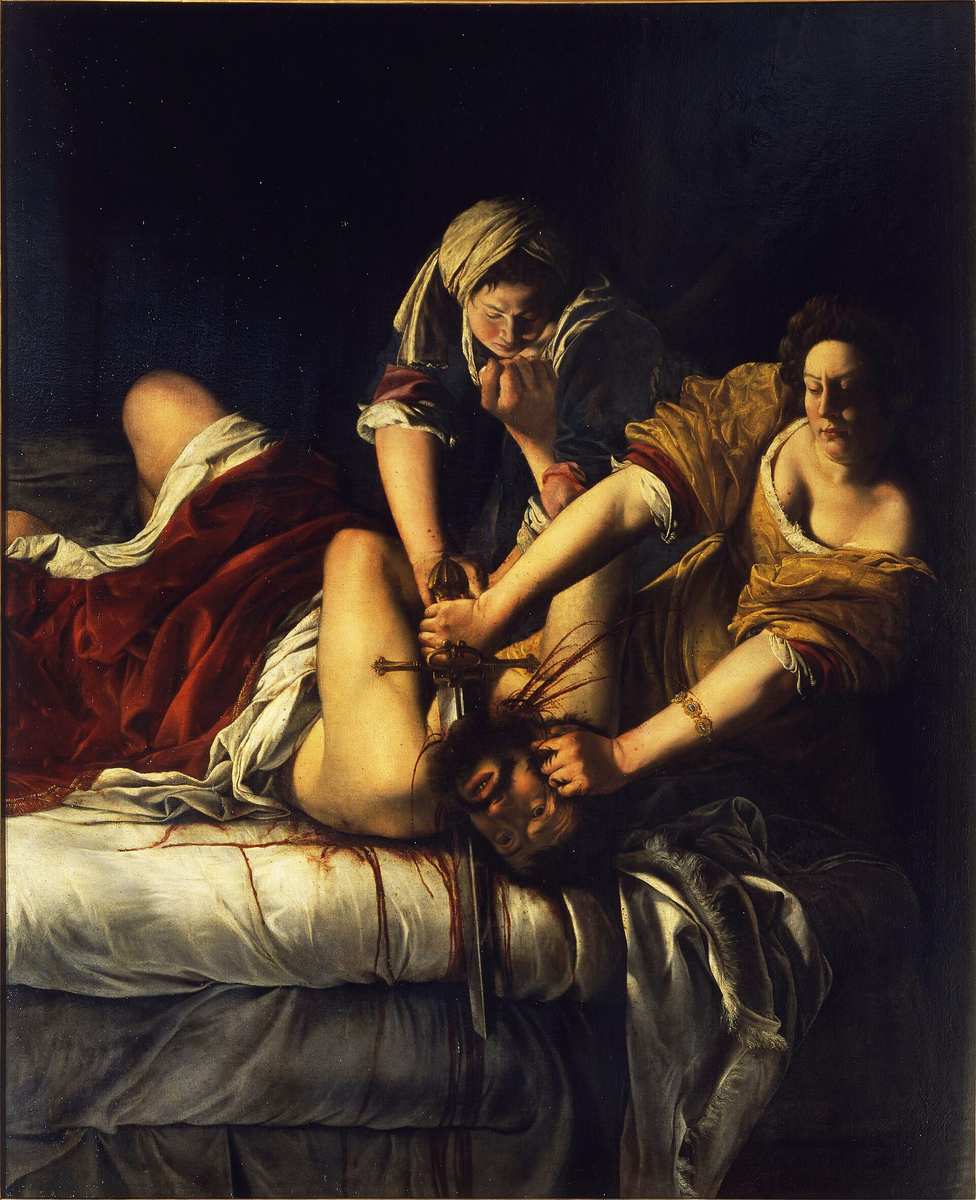 Uffizi Galleries3 recorded worksJudith Beheading Holofernes
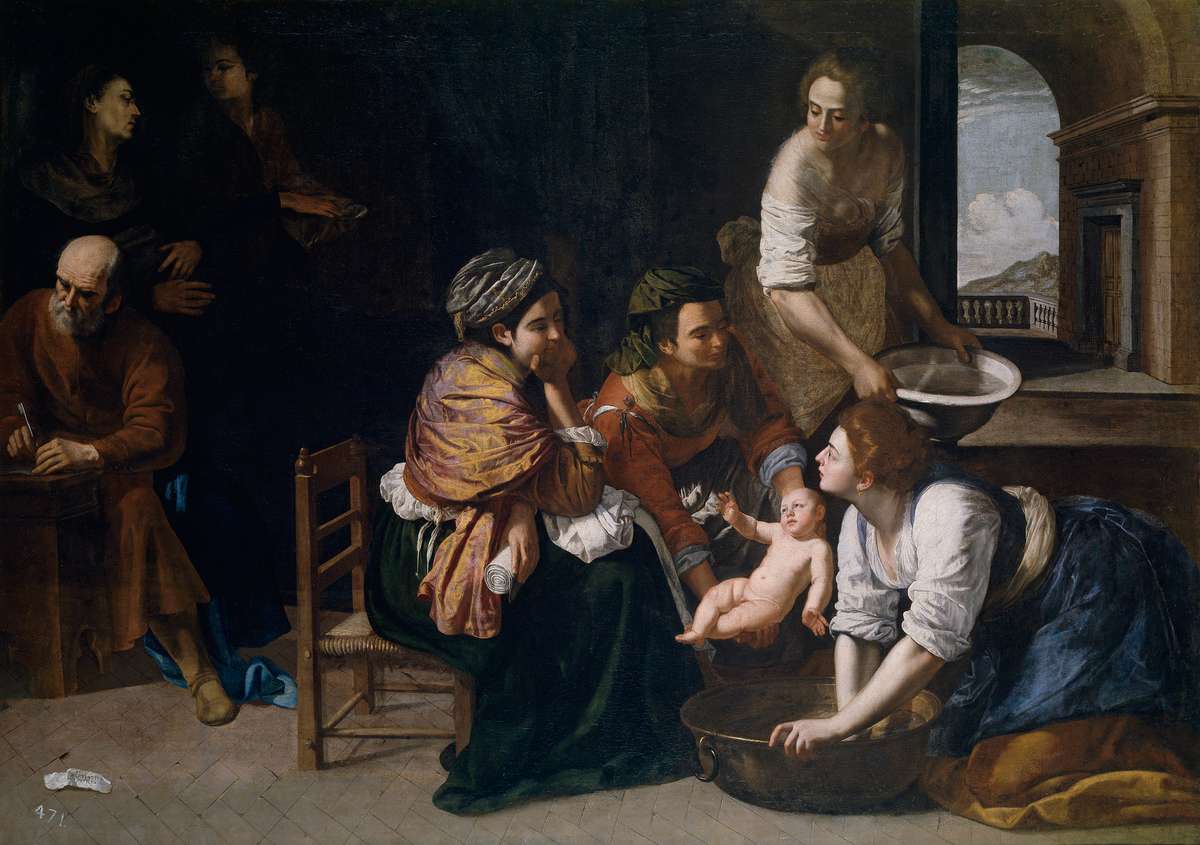 Museo Nacional del Prado1 recorded workThe Birth of Saint John the Baptist
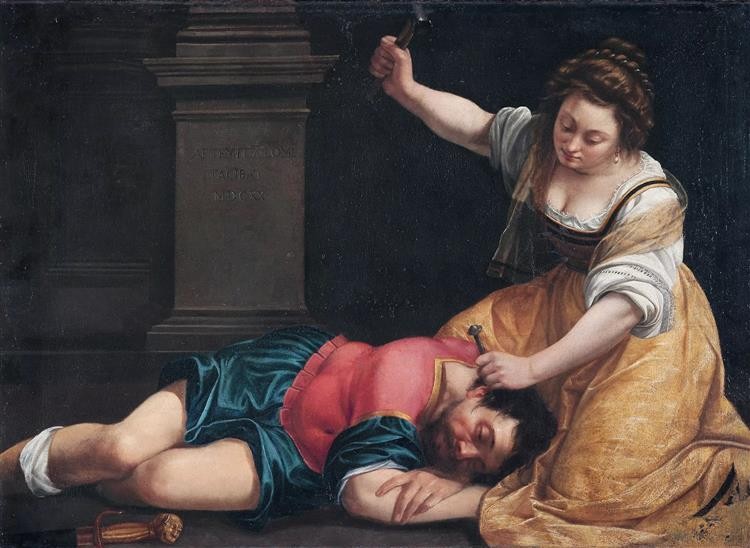 Museum of Fine Arts, Budapest1 recorded workJael and Sisera
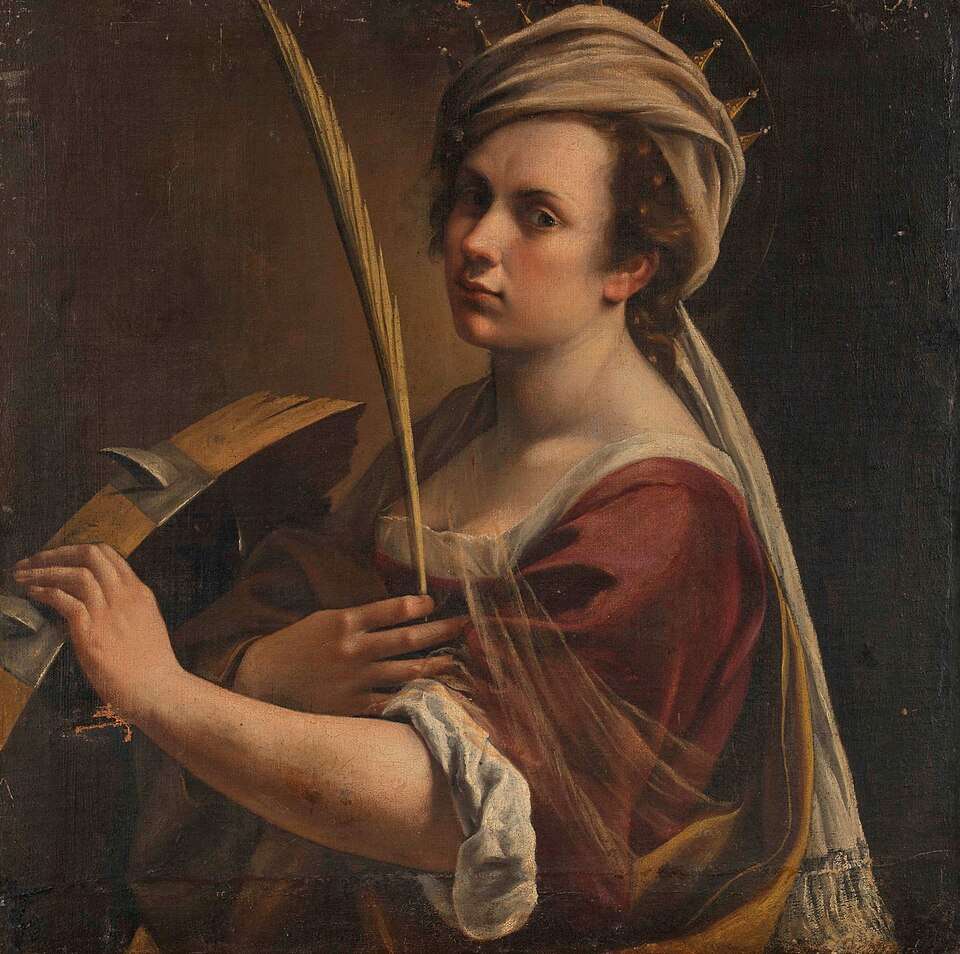 National Gallery1 recorded workSelf Portrait as Saint Catherine of Alexandria
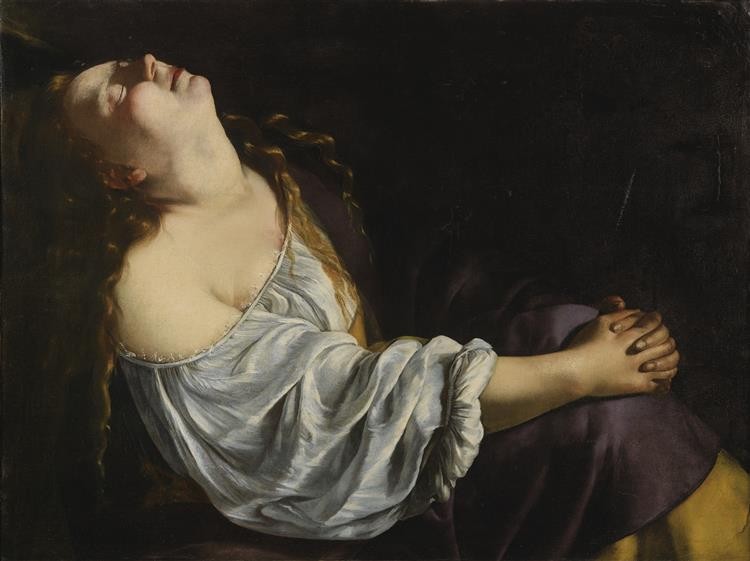 National Gallery of Art1 recorded workMary Magdalene in Ecstasy
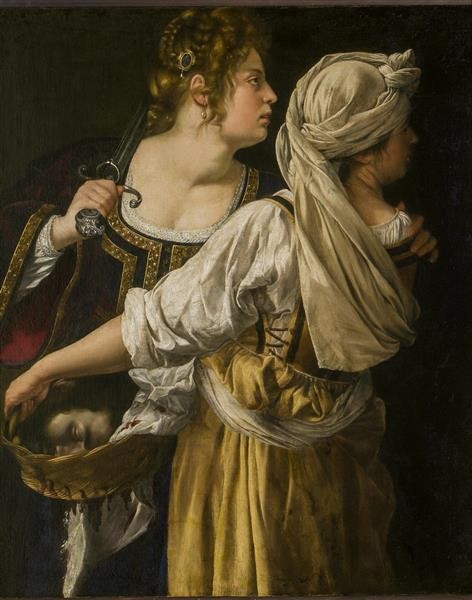 Palazzo Pitti1 recorded workJudith and her Maidservant
Sources 11
- Wikidata (CC0)
- National Gallery, London
- National Gallery, London
- National Gallery, London
- Pantheon 2025 — Datawheel (CC BY-SA 4.0)
- National Gallery, London
- Pantheon 2025 — Datawheel (CC BY-SA 4.0)
- The National Gallery, London
- National Gallery, London
- Pantheon 2025 — Datawheel (CC BY-SA 4.0)
- WikiArt women artists review — 20 September 2026